7 Warning Signs You Need Roof Repair or Replacement
Your roof is one of the most important parts of your home—it shields you from harsh weather, protects your family, and preserves the structural integrity of the property. Yet many homeowners in Granbury, TX don’t think about their roofs until there’s visible damage or an interior leak. The truth is, your roof could be sending out warning signs long before you see water dripping from the ceiling.
Recognizing the early indicators of roof trouble can save you from extensive—and expensive—damage down the road. Whether it’s time for minor repairs or a full replacement, acting early can prevent more serious issues and extend the life of your roof. In this blog, we’ll highlight seven key signs that it may be time to call in the professionals at DT Roofing.
1. Missing, Cracked, or Curling Shingles
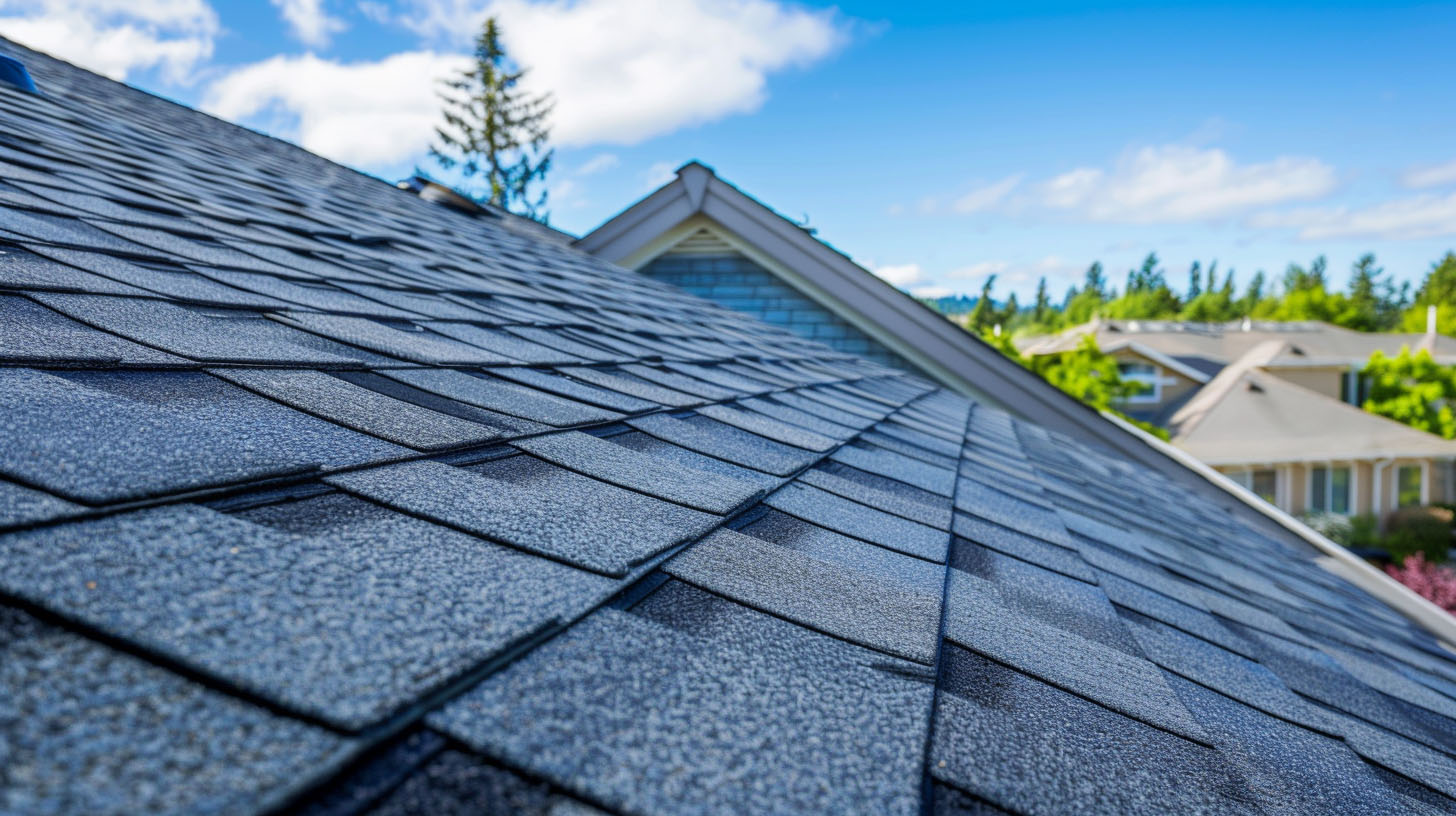
Shingles are your roof’s first line of defense against the elements. If they’re damaged or missing, your roof becomes vulnerable to water infiltration, UV degradation, and wind uplift. After high winds or hailstorms, it’s not uncommon for shingles to go missing or to become cracked or curled along the edges.
Cracked or curling shingles signal that the material is drying out, aging, or has suffered prolonged sun exposure—something Granbury roofs see plenty of. If you notice these issues, it’s time to have a professional inspect the roof to determine whether localized repairs or full replacement is needed.
2. Interior Water Stains or Leaks
If you see water stains on your ceiling or walls, it’s a major warning sign. Leaks typically start small but can quickly become serious, damaging insulation, drywall, and even your home’s framing. Often, the water you see inside is just the tip of the iceberg—moisture could have been building up for weeks or months before it became visible.
In some cases, roof leaks stem from flashing failures around chimneys or vents, or from damaged underlayment. Whether it’s a simple patch or a more complex repair, you’ll want a professional like DT Roofing to investigate and stop the leak at its source.
3. Granules in the Gutters
Asphalt shingles are coated with protective granules that shield the material from UV rays and improve fire resistance. Over time, these granules start to loosen and wash away, especially under the stress of heavy rainfall or hail.
If you’ve started noticing coarse, sand-like granules in your gutters or at the base of your downspouts, it’s a sign that your shingles are aging or degrading. Granule loss is common in the final stages of a shingle’s life. If ignored, the bare shingle mat can quickly deteriorate, leading to leaks and structural problems.
4. Sagging or Uneven Rooflines
A roof should appear straight and uniform. If you notice dips, waves, or sagging sections, there may be an issue with the underlying structure. Water damage to the decking or support beams can cause the roof to lose its shape—and in serious cases, collapse becomes a real danger.
This type of problem requires immediate professional attention. A thorough inspection can reveal whether repairs are possible or if a full roof replacement is the safest solution.
5. Excessive Moss, Algae, or Mold Growth
Moss, algae, and mold often grow on shaded or damp areas of the roof. While they may seem like cosmetic concerns, they actually indicate underlying moisture problems. Moss, in particular, retains water and can lift shingles over time, allowing water to penetrate the underlayment.
These biological growths may also reduce the lifespan of your roofing system and lead to interior humidity issues. Professional cleaning, improved ventilation, or even replacing sections of the roof may be necessary, depending on the extent of the growth.
6. Age of the Roof
No roof is built to last forever—even with regular upkeep. Asphalt shingle roofs typically have a lifespan of 20 to 25 years. If your roof is approaching or has passed this age, it’s a good idea to have it inspected, even if no visible problems are present.
Aging roofs are more susceptible to leaks, weakened materials, and structural deterioration. They might also miss out on newer features such as efficient attic ventilation or improved impact resistance. Additionally, if your current roof was installed over existing layers instead of being fully replaced, its durability may be significantly reduced.
Today’s advanced roofing systems from manufacturers like Owens Corning offer longer lifespans, better weather resistance, and modern warranties—making replacement a smart long-term investment.
7. Rising Energy Bills
You might not immediately associate energy bills with your roof, but there’s a strong connection. If your attic isn’t properly ventilated or your roof has begun to degrade, heat can build up in the summer and escape in the winter—making your HVAC system work overtime.
Sudden spikes in heating or cooling costs could mean your roof is no longer insulating your home effectively. Replacing the roofing system or improving attic airflow can restore energy efficiency and bring those monthly bills back under control.
What to Do if You Notice These Signs
If you’re seeing one or more of these warning signs, don’t wait for the problem to worsen. Roofing issues rarely fix themselves—and in most cases, the longer you wait, the more expensive the solution becomes.
Reach out to a trusted, local roofing expert like DT Roofing in Granbury, TX. Their team has decades of experience evaluating roof systems, providing honest assessments, and offering high-quality repairs and replacements tailored to Texas homes.
DT Roofing works with premium materials, offers manufacturer-backed warranties, and helps homeowners make informed decisions about their roof—whether it needs a few shingles replaced or a full system overhaul.
Read also our blog: Top Roofing Financing Options You Should Know