
How Roofs are Rated for Fire Resistance in Rural Texas Counties
In Texas, where wildfires pose a significant risk, especially in rural counties, ensuring the fire resistance of your roofing is paramount. Choosing the right roofing material and understanding fire resistance ratings are crucial steps in safeguarding your home from potential fire hazards. This comprehensive guide will discuss the importance of fire-resistant roofing in Granbury, TX, explore different types of materials and installation techniques, and highlight local regulations and case studies.
Understanding Fire Resistance Ratings for Roofs
Fire resistance ratings for roofs indicate their ability to withstand the spread of fire. These ratings, typically classified from Class A to Class C, are based on rigorous testing methods that simulate real-world fire scenarios. Understanding these ratings is crucial for making informed decisions when selecting roofing materials, especially in areas prone to wildfires like rural Texas.
Class A roofing materials offer the highest level of fire resistance, followed by Class B and Class C, with decreasing resistance levels. Factors such as material composition, thickness, and installation techniques contribute to a roof’s fire resistance rating. Consulting with licensed roofing professionals can provide valuable insights into choosing appropriate roofing materials that meet local building codes and safety standards.
Importance of Fire Resistance in Roof Design
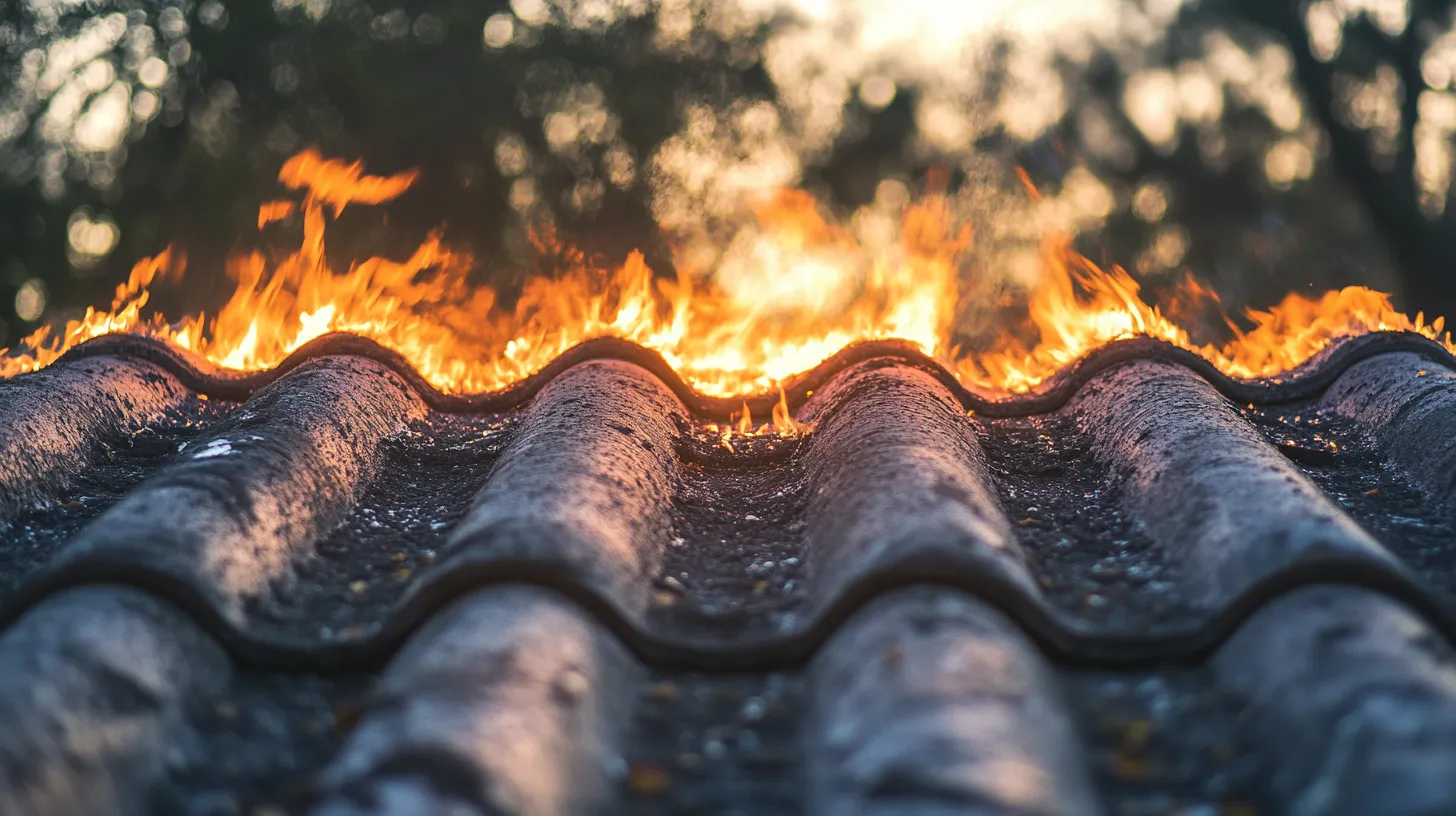
Fire resistance in roof design is pivotal for safeguarding properties against wildfires, a common threat in Granbury, TX. Understanding the impact of roofing materials on fire safety is crucial for property owners. By complying with national fire protection association standards, homeowners can enhance the fire resilience of their roofs. Choosing fire-resistant roofing materials such as metal shingles or asphalt shingles can significantly lower the risk of damage in case of a fire incident, aligning with energy efficiency goals and ensuring overall safety.
Overview of Fire Resistance Testing Methods
Fire resistance testing methods evaluate how roofing materials withstand fire exposure. Tests measure the time a material can endure flames before ignition or failure. Common methods include the ASTM E108 test, assessing flame spread along the material’s surface, and the ASTM E119 test, observing structural integrity under fire conditions. These evaluations help property owners choose fire-resistant materials meeting national fire protection association standards, crucial in areas prone to wildfires like rural Texas counties.
Fire Rating Standards and Requirements in Texas
Texas has specific fire rating standards and requirements for roofing materials, especially in areas with a higher risk of wildfires. These regulations, often stricter than national standards, are designed to minimize fire spread and protect lives and property.
Homeowners in Granbury, TX should be aware of local building codes and consult with licensed roofing contractors to ensure compliance with all applicable fire safety regulations. Adhering to these standards is crucial for obtaining necessary permits and ensuring the safety and insurability of your property.
Local Regulations in Rural Texas Counties
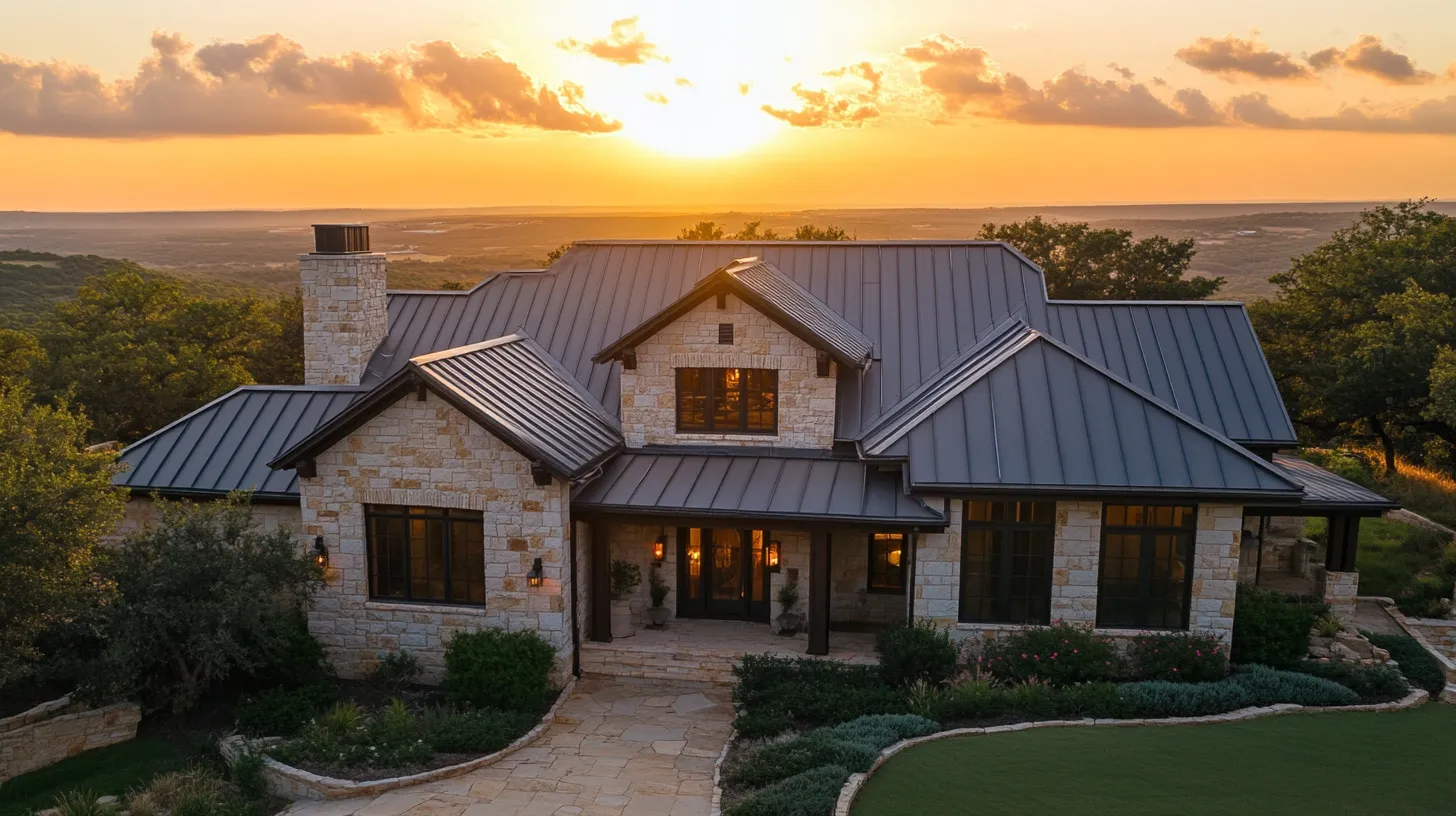
In rural Texas counties, local regulations play a pivotal role in dictating fire resistance standards for roofs. These regulations often align with state and federal guidelines to ensure the safety of properties against potential wildfires. Property owners are typically required to adhere to specific roofing material and installation techniques to enhance fire resistance. By complying with these regulations, homeowners not only safeguard their properties but also contribute to the overall safety and resilience of the community.
Comparing State vs. Federal Fire Resistance Standards
When considering fire resistance standards, it’s essential to compare both state regulations and federal guidelines to ensure compliance. While federal standards often set the baseline for fire safety, state-specific regulations may impose additional requirements based on local conditions like wildfire risk in Granbury, TX. Property owners should be aware of both sets of standards to choose roofing materials that meet all necessary criteria for fire resistance. Understanding the distinctions between state and federal guidelines can help homeowners make informed decisions to enhance their property’s safety.
Types of Fire-Resistant Roofing Materials
A variety of fire-resistant roofing materials is available for homeowners seeking to protect their properties from fire hazards. These materials range from traditional options like clay and concrete tiles to modern solutions like metal roofing and asphalt shingles with enhanced fire-retardant properties.
Each material comes with its own set of pros and cons, including cost, durability, aesthetic appeal, and environmental impact. Considering these factors alongside local fire codes and consulting with experienced roofing professionals is essential for selecting the most suitable fire-resistant roofing material for your specific needs and budget.
Benefits of Owens Corning and TEK Products
Owens Corning and TEK Products offer exceptional fire resistance capabilities, crucial for rural Texas counties prone to wildfires. These innovative solutions not only meet state and federal fire rating standards but also enhance energy efficiency goals. Property owners benefit from high-quality roofing materials like asphalt shingles, metal shingles, and wood shakes that provide superior protection against embers. With Owens Corning and TEK Products, homeowners can rest assured that their roofs are equipped for optimal fire safety and insulation, meeting the stringent requirements set by FEMA.
Innovative Solutions by F-Wave Roofing
F-Wave Roofing offers cutting-edge solutions integrating advanced technology for fire-resistant roofing. Their innovation combines durable materials like metal shingles or slate with high fire ratings, exceeding industry standards. By incorporating energy-efficient practices and superior roofing materials, F-Wave enhances the fire resistance of roofs, meeting the stringent requirements of property owners in rural Texas counties. This proactive approach ensures roofs can withstand potential fire hazards, aligning with the homeowners’ safety concerns and energy efficiency goals.
Installation Techniques for Enhanced Fire Resistance
Proper installation is equally critical as choosing the right fire-resistant roofing materials. Even the most fire-resistant material can be compromised if not installed correctly, highlighting the importance of hiring experienced and qualified roofing professionals.
Key considerations include ensuring adequate attic ventilation, sealing gaps and penetrations to prevent ember entry, and using appropriate flashing and underlayment materials compatible with the chosen roofing system. Adhering to manufacturer guidelines and industry best practices for fire-resistant roofing installation is paramount for maximizing its effectiveness.
Best Practices from DT Roofing’s Experience
Choose roofing materials with high fire resistance ratings like metal shingles, slate, or asphalt shingles. Ensure proper insulation and ventilation in the attic to reduce fire risk. Implement FEMA recommendations for wildfire-prone areas in Texas. Conduct regular maintenance to address any vulnerabilities. Prioritize energy efficiency goals alongside fire resistance when selecting roofing materials.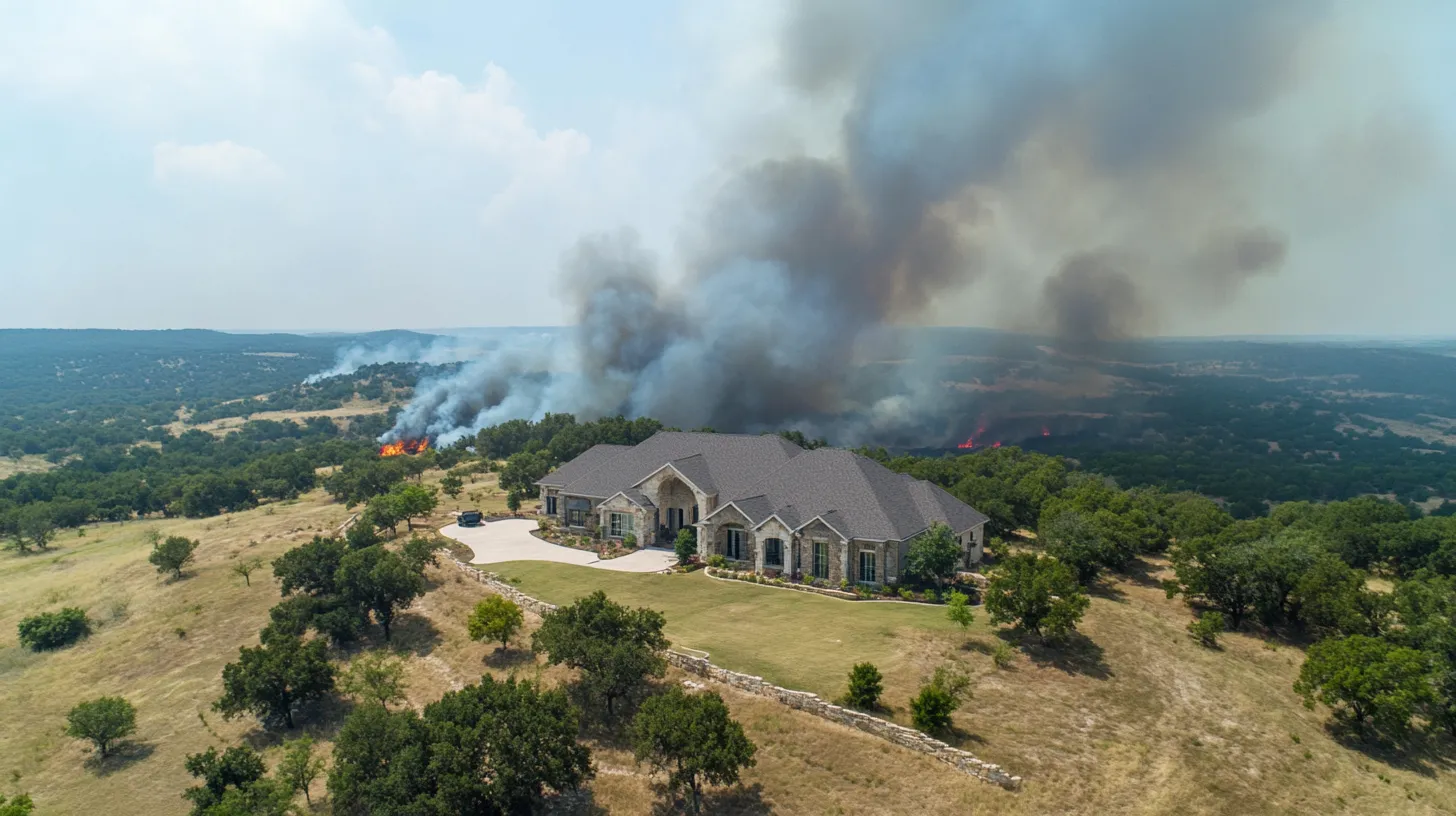
Preventative Measures for Roof Fire Safety
One crucial aspect of roof fire safety is the selection of fire-resistant roofing materials like asphalt shingles, metal shingles, or slate. Ensuring proper insulation in the attic can also help prevent fires from spreading. Property owners can further safeguard their homes by installing ember-resistant vents and screens, especially in wildfire-prone areas like Texas. By implementing these preventative measures, homeowners can significantly enhance the fire resistance of their roofs and protect their properties from potential fire hazards.
Case Studies: Fire-Resistant Roofs in Action
Examining real-world case studies provides practical insights into the effectiveness of fire-resistant roofs during wildfire events. These cases often highlight the crucial role of fire-resistant roofs in safeguarding homes and mitigating damage.
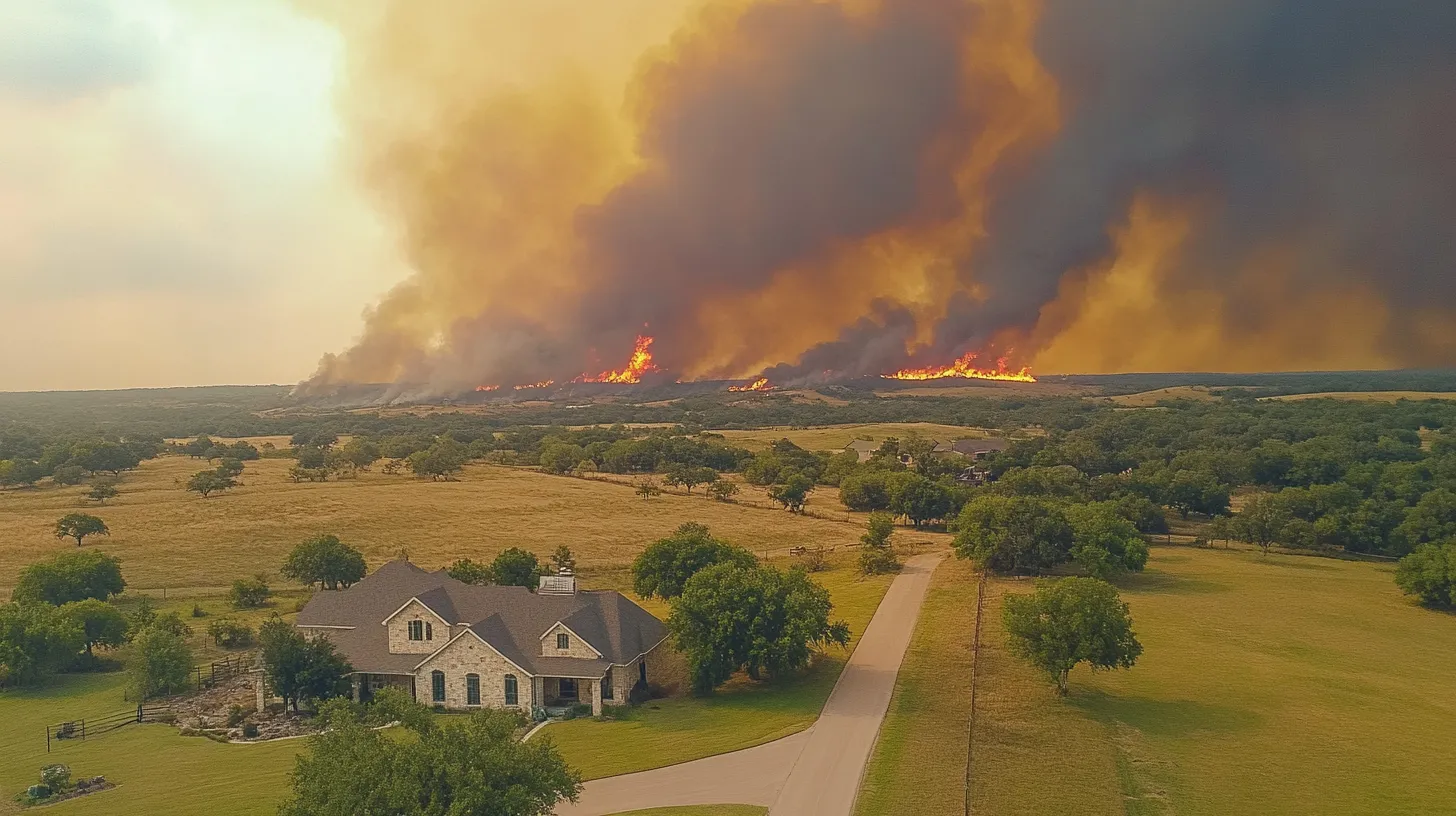
By analyzing instances where homes with fire-resistant roofs withstood wildfires with minimal damage compared to those without, we can understand the tangible benefits of investing in these safety measures. These stories underscore the importance of prioritizing fire safety in roofing choices, especially in wildfire-prone regions.
Examples from Hood and Erath Counties
In Hood and Erath Counties, exemplary fire-resistant roofs have proven invaluable during wildfire seasons. By utilizing top-tier roofing materials like metal shingles or slate, property owners have fortified their homes against embers and flames. These counties showcase the effectiveness of proper installation techniques and high-quality roofing materials in safeguarding against fire hazards. The National Fire Protection Association’s guidelines are evident in these cases, where resilient roofs play a crucial role in mitigating fire risks and protecting homeowners’ properties.
Impact of Proper Installation on Fire Resistance
Proper installation techniques play a pivotal role in enhancing the fire resistance of roofs. By ensuring correct placement of roofing materials like asphalt shingles, metal shingles, and wood shakes, property owners in rural Texas counties can significantly reduce the risk of wildfire damage. Adequate insulation and attention to details at the bottom of the roof and within the attic space are crucial for meeting fire safety standards set by organizations such as FEMA and the National Fire Protection Association.
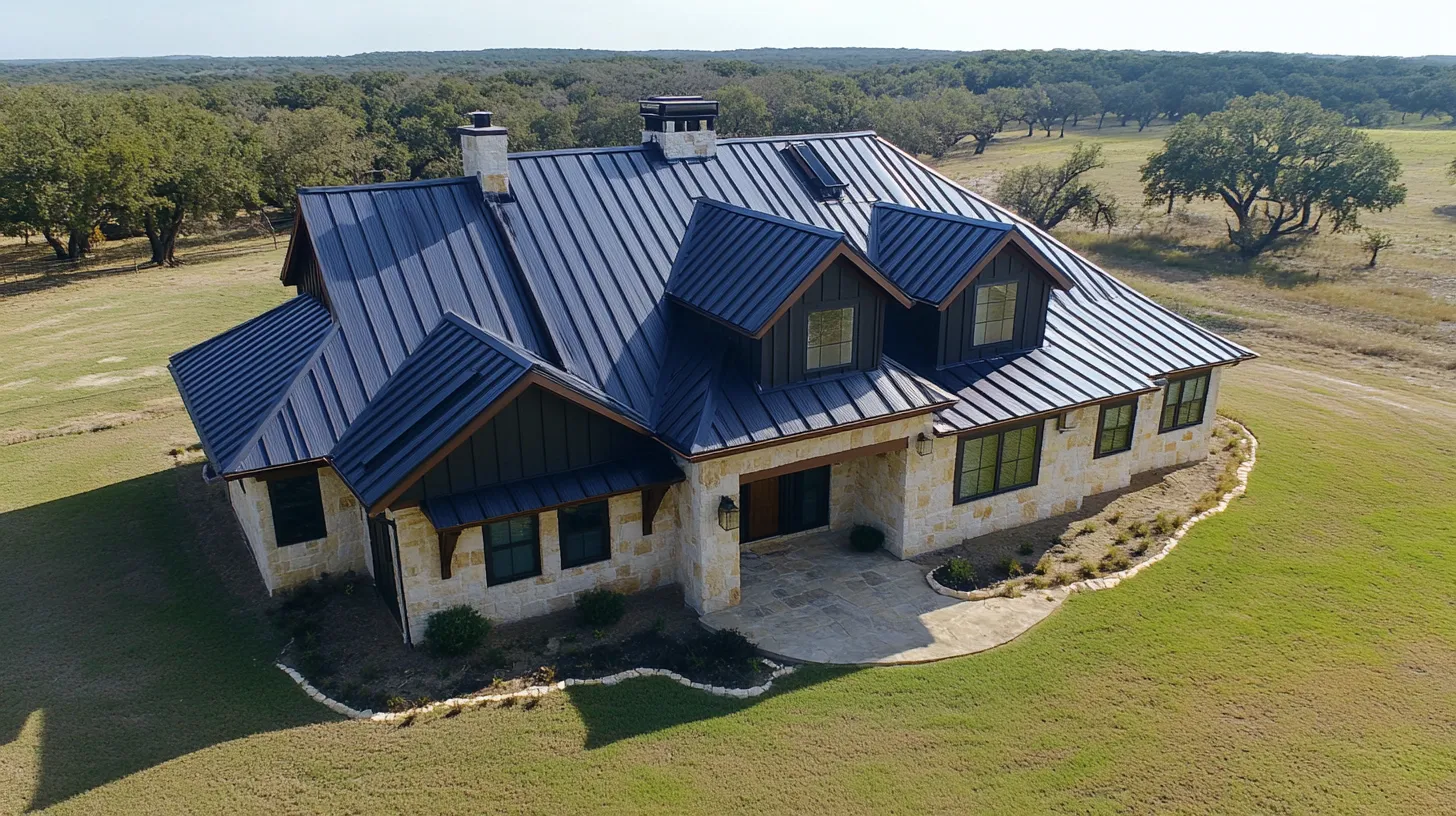
Trust the Experts
In conclusion, understanding fire resistance ratings for roofs is crucial for safety and compliance, especially in Granbury, TX. By utilizing fire-resistant roofing materials and following best practices in installation, such as those recommended by DT Roofing, you can enhance fire resistance and protect your property. Stay informed about local regulations and innovative solutions like those offered by F-Wave Roofing to ensure your roof meets or exceeds fire rating standards. Properly rated roofs, such as those from Owens Corning and TEK Products, play a vital role in safeguarding your home against fire hazards. Regular inspections are essential to maintain the integrity of fire-resistant roofs. Contact us for quotes on commercial fire-resistant roofing solutions.
Frequently Asked Questions
What makes a roof Class A fire-rated?
Class A roofing materials exhibit the highest level of fire resistance, as defined by the National Fire Protection Association (NFPA). These roofing materials resist severe fire exposure, demonstrating excellent resistance to flame spread, heat penetration, and ember ignition, making them a top choice for fire-prone areas.
How often should fire-resistant roofs be inspected?
The National Fire Protection Association (NFPA) recommends homeowners have their fire-resistant roofs inspected annually by a qualified roofing professional. Regular inspections can identify potential issues early on, ensuring your roof effectively maintains its fire resistance and longevity.
Read also: The Role of Attic Ventilation in the Hot Texas Climate.