The Texas Zoning Laws & Roof Replacement: What Commercial Owners Must Know
Understanding Texas Zoning Laws for Commercial Properties
Zoning laws in Texas help control how land is used. They make sure building projects are safe and look nice in every community. For businesses, these laws include important rules. They cover things like how tall a building can be and what materials can be used for roofs.
As property owners, you have to follow these zoning ordinances. It’s not just a choice; it’s necessary to stay compliant. If you don’t follow these rules, you could face expensive problems. This might include delays, fines, or required fixes. Because of this, knowing these regulations is important. It’s not just about following the law, but it’s also a smart move for your business.
Overview of Zoning Laws in Texas
Texas zoning laws come from municipal ordinances. They cover different parts of property development, like building codes and land-use rules. According to the state’s Code of Ordinances, properties are organized into categories. These include residential, commercial, industrial, and agricultural, and each has its own specific requirements.
In commercial zones, following building codes is very important. These codes cover things like safety, accessibility, and the quality of materials used in construction. Cities often ask for a site plan when you apply for permits. This helps to make sure everything meets the ordinances.
Property owners must also pay attention to zoning overlays. These can add extra rules or allowances on top of the general zoning laws. Whether you are upgrading or fixing a building, you need to follow these rules. This helps protect your investment and supports the welfare of the community.
Importance of Compliance for Commercial Owners
Compliance with Texas zoning laws is very important for commercial property owners who are replacing roofs or building. The Certificate of Occupancy is the final paper that shows everything meets the rules, and it’s needed before you can use any updated spaces. If you don’t have this approval, using the property may break the law.
Necessary repairs usually need building permits. These permits must explain the scope and value of work. Both contractors and property owners share the duty of following zoning regulations during the project. If they don’t comply, it can cause penalties, delays, or inspections to be failed.
In the end, zoning laws help protect property values and keep the public safe. For owners, following these legal rules aids in smoother project completion and avoids costly arguments. Choosing a skilled contractor who knows local building codes can make this process much easier.
The Role of Roofing in Commercial Zoning Compliance
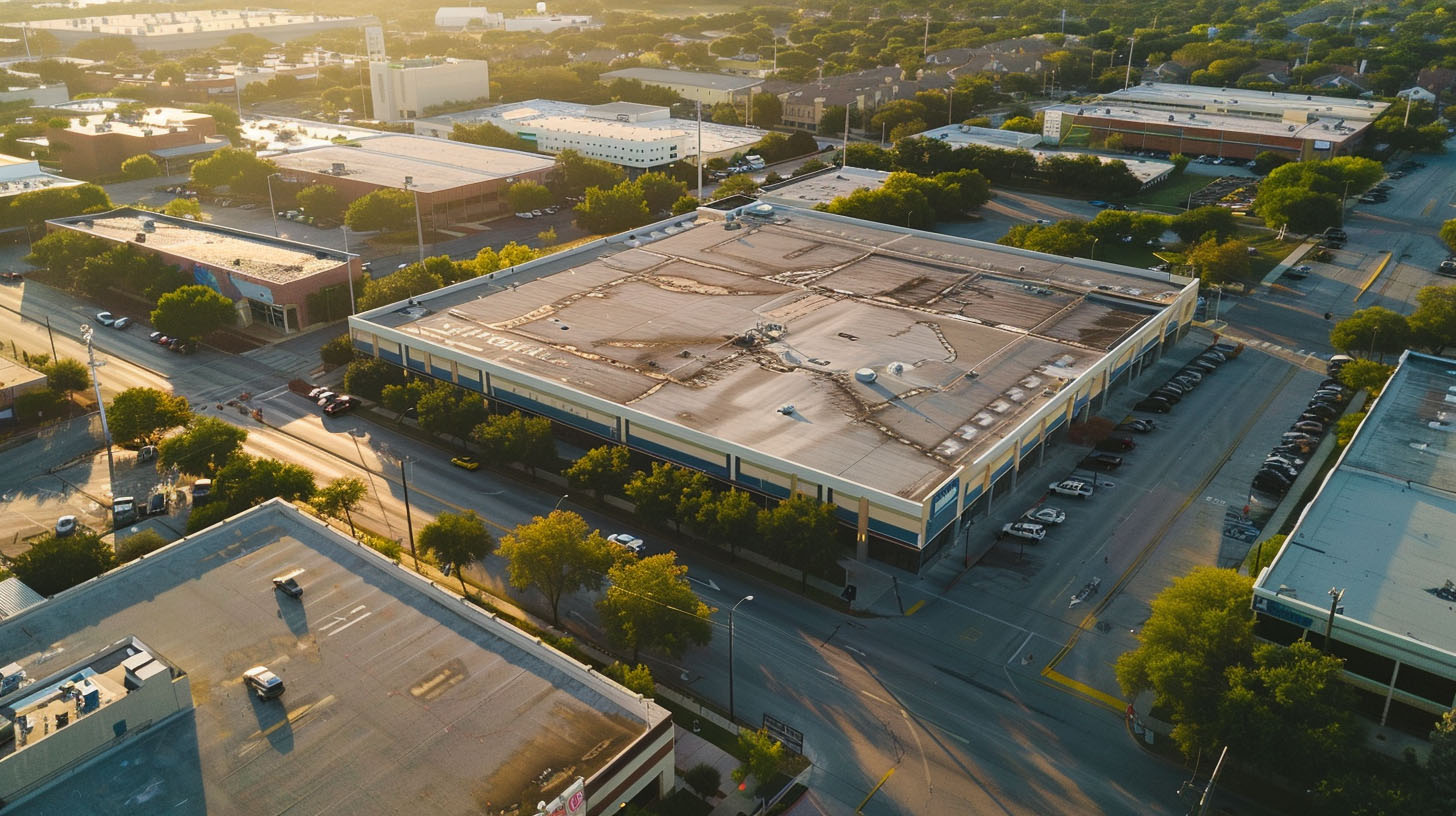
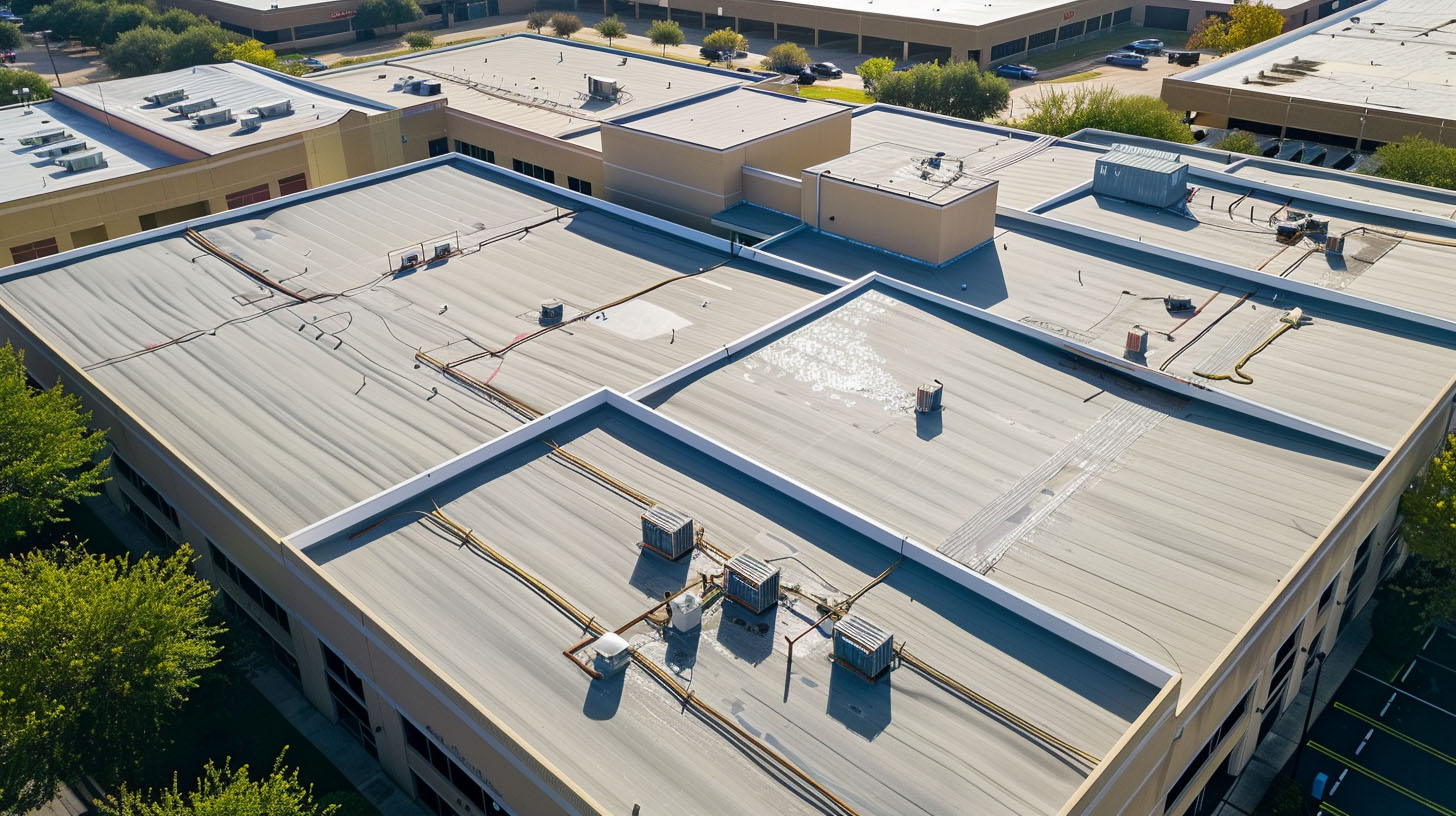
Commercial roofing projects in Texas must follow local zoning codes and ordinances. Important aspects like choosing materials and how to install the roof are key for keeping compliance.
The design of a roof can affect how a building is classified under local building codes. Reviews focus on factors like square feet, roofing materials, and engineering seals for safety and legal standards. Property owners should team up with builders to meet zoning requirements properly.
Specific Roofing Requirements in Different Zones
Each area in Texas has different roofing needs that property owners should think about before starting any repairs or replacement. You will likely need a building permit for most projects that go beyond certain size or material limits. Here are some important things to remember:
- Roof thickness: You need to meet the minimum requirements for materials like OSB or plywood sheathing (for example, seven-sixteenth inches).
- Square footage: Different areas may limit the size of roofing based on the size of your property.
- Structural integrity: Compliance checks include looking at things like decking thickness, wall height, and overall durability.
In business areas, materials such as insulation and shingles might need approval according to the local Code of Ordinances. Property owners should consider these zoning rules and make sure all papers are correct and complete.
How Roofing Affects Building Classification
Roofing affects not just the structure but also how a building is classified by zoning laws. The Texas Code of Ordinances looks at things like the value of work and the design of the roof to decide a building’s zoning category.
For instance, using high-tech materials such as solar panels can raise a commercial property’s classification. This also supports better environmental outcomes. On the other hand, using poor materials can cause issues with zoning reviews or slow down the process of getting permits.
Also, changes in roofing can alter site plans and need careful following of inspection rules. Things like the top-of-the-wall alignment and the quality of the decking must meet legal zoning standards. This shows how important roofing is in meeting larger compliance goals.

DT Roofing’s Expertise in Commercial Roof Replacements
DT Roofing is well-known for commercial roof replacements in Stephenville, TX, and nearby areas. We have the know-how in zoning compliance, so every project meets the needed safety standards and rules. We aim to fulfill our clients’ expectations.
Our award-winning services and top-notch craftsmanship make us a go-to contractor. We take care of things like building permits and use high-quality roofing materials. Property owners trust DT Roofing for dependable results. Choose us for easy and compliant roof replacement projects.
Our Credentials: Owens Corning Platinum Preferred Contractor
DT Roofing is proud to be an Owens Corning Platinum Preferred Contractor. This title is given to the top roofing experts in the industry. It shows that we are skilled in roofing insulation, use top-quality shingles, and deliver great workmanship for both homeowners and commercial clients.
This certification proves our promise to quality. It also reassures clients that we meet the strictest manufacturing standards in roofing. With Owens Corning products, we ensure that your roof is tough and meets all zoning codes.
Our team focuses on energy-saving solutions that look good, too. Our insulation options follow zoning standards, making sure your roof lasts a long time for your Texas property.
Awards and Recognitions: Top 100 Roofers and Local Awards
DT Roofing is happy to have received recognition like Roofing Contractor magazine’s Top 100 Roofers and many local awards in Texas. We have earned the Best of Hood County award for 13 years in a row and the Best of Erath County for two years. These awards show our strong ties to the community.
These honors show our promise to deliver excellent service and skills to every client. We handle everything from roofing repairs to replacements. We always meet high standards of quality and safety.
After years of serving Texas, we have become the top choice for dependable roofing solutions. Whether you need materials that follow zoning rules or special installations, working with DT Roofing gives you the best service for your commercial needs.
Key Considerations for Roof Replacement Under Texas Zoning Laws
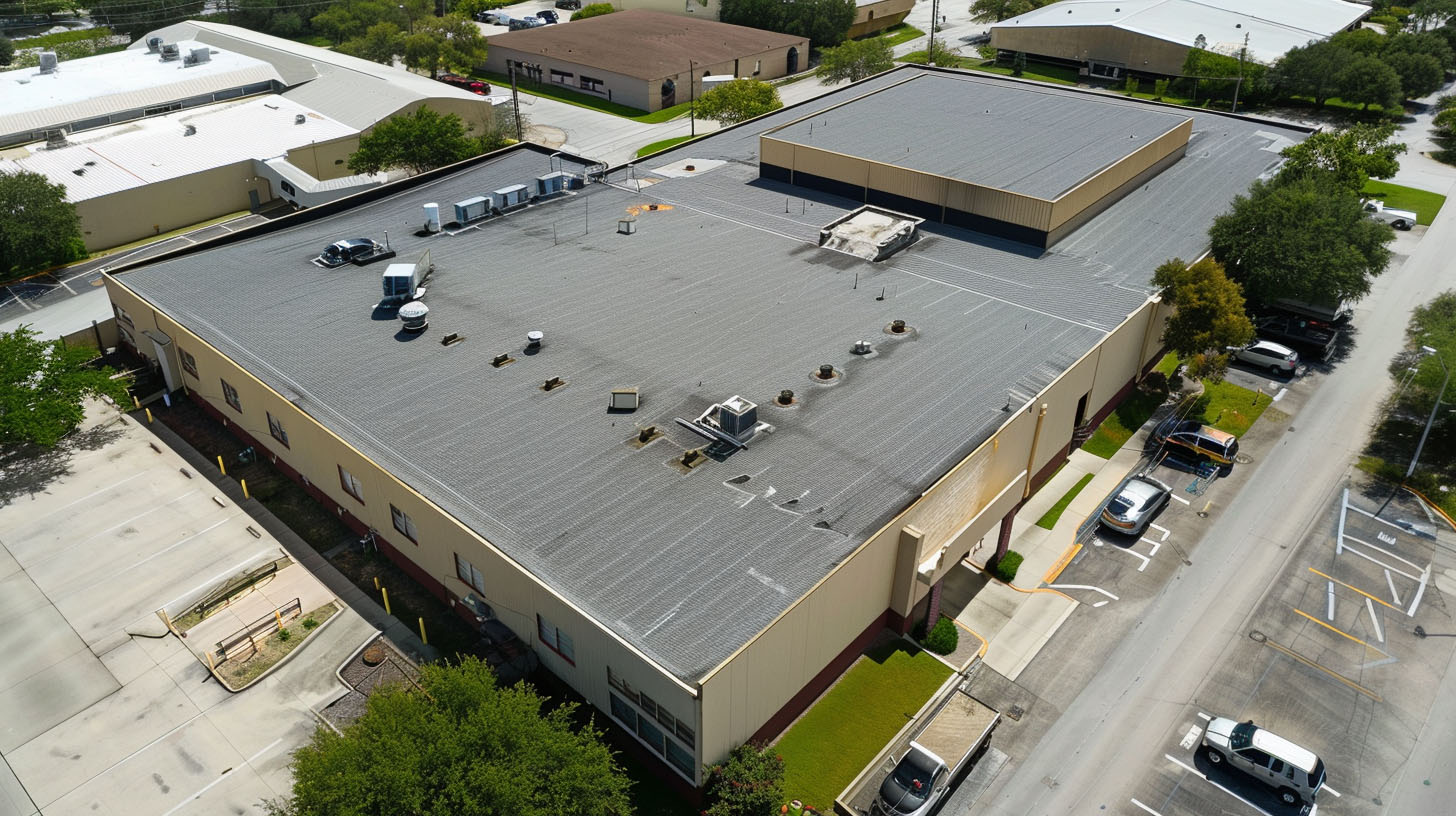
Roof replacements in Texas need to follow zoning laws and rules to prevent legal problems. It is important to get the right permits and paperwork before starting work.
Zoning laws also affect what materials, designs, and building methods can be used. Property owners should think about how new rules might change their roofing projects. Working with experts like DT Roofing helps make sure everything is done correctly and smoothly during the project.
Permits and Documentation Needed for Roof Replacement
Getting a building permit is required for commercial roof replacements in Texas. Starting in January, any project that costs more than $50,000 must have site plans and follow zoning rules.
Key documents for the project include the permit application, estimation of the work’s value, and credentials of the contractor. If you plan to use new materials like solar panels, you may need extra paperwork to follow environmental rules. The application process needs careful checking to reduce mistakes.
Final inspections are very important. They must ensure that all zoning laws are followed. Property owners should focus on this step before using or moving into updated spaces to prevent issues. Hiring qualified people to manage the permits can make things easier.
How Zoning Laws Impact Roofing Material Choices
Texas zoning laws play a big role in deciding what roofing materials businesses can use. Insulation, shingles, and solar panels often must follow specific rules in ordinances for safety and to protect the environment.
Even though solar panels can save a lot of energy, their usage and where they go must follow strict zoning codes. The same goes for materials like flashing and insulation; they must meet certain thickness and strength standards. If a roofing product doesn’t comply, it could lead to fines or issues during inspections.
In Texas’s mixed climate, materials that work well are usually preferred, especially impact-resistant shingles. Choosing the right materials helps create an easy approval process. This way, you can ensure compliance and prevent any delays.
Working with Brands Compliant with Zoning Laws
To follow Texas zoning rules, property owners need to select roofing brands that match local laws. Owens Corning, TEK, and F-Wave all provide solutions that meet these standards. Their products are built to last and meet legal requirements.
Choosing these well-known brands makes it easier to pick materials and get inspections approved. By working with quality providers and certified contractors, commercial owners can meet compliance goals while focusing on long-term performance.
Benefits of Using Owens Corning and TEK Products
Owens Corning and TEK products are leaders in providing roofing materials that meet zoning standards. They offer a range of items, from premium insulation to durable shingles. These brands aim to improve energy efficiency and the strength of buildings.
Their materials go through strict quality checks to make sure they meet Texas building codes. This helps property owners feel less worried about inspections. TEK’s solar panels are a great choice for eco-friendly buildings in commercial areas.
Choosing products that meet these codes makes the construction process easier. It ensures that getting zoning approval is also hassle-free. Property owners rely on these brands for great quality and trustworthiness.
F-Wave Roofing Solutions for Commercial Buildings
F-Wave Roofing Solutions provides new and approved materials for commercial buildings in Texas. Their products are known for being durable and meeting strict building codes.
Property owners prefer F-Wave because it works well with different zoning rules. F-Wave materials easily pass building checks, whether dealing with limits like square feet or engineering tasks.
Moreover, F-Wave cares about modern style. This makes them very popular in commercial areas. They offer high-quality insulation and strong shingles. F-Wave Roofing Solutions mixes compliance, quality, and style nicely.
Get a Free Quote Today
In conclusion, it’s important for commercial property owners to understand Texas zoning laws and how they affect roof replacement. Following these laws protects your investment. It also helps keep your building safe and long-lasting. By working with experts like DT Roofing, who know these rules, you can make the roof replacement process easier. Choosing good materials from trusted brands helps you stay compliant and gives you durability and good looks. Keep in mind, navigating zoning laws can be tough. However, with the right knowledge and help, you can make smart choices for your property. If you are ready to address your roofing needs, contact us today for a quote that meets your specific requirements.
Frequently Asked Questions
What are common zoning challenges for roof replacement in Texas?
Common challenges are dealing with building permits, making sure property lines are correct, and matching materials to building codes. In Texas, zoning rules require detailed documents, inspections, and certain roofing standards for commercial buildings, especially those located in close proximity to residences. Following local ordinances is very important to prevent delays.
What roofing materials are recommended for commercial zones?
In Texas commercial areas, it’s a good idea to use materials like insulation, impact-resistant shingles, and solar panels. These products are strong, look good, and meet environmental rules. They can also last a long time. Property owners need to choose materials that follow zoning codes to make inspections easier.
What are the four types of zoning?
The four types of zoning are residential, commercial, industrial, and agricultural. Each type has its own building codes and ordinances based on how the land will be used. Commercial zoning focuses on safety and function for businesses. This directly impacts the rules for roof replacement.
Read our blog: How Your Roof Affects Your Home’s Energy Bill in the Texas Summer