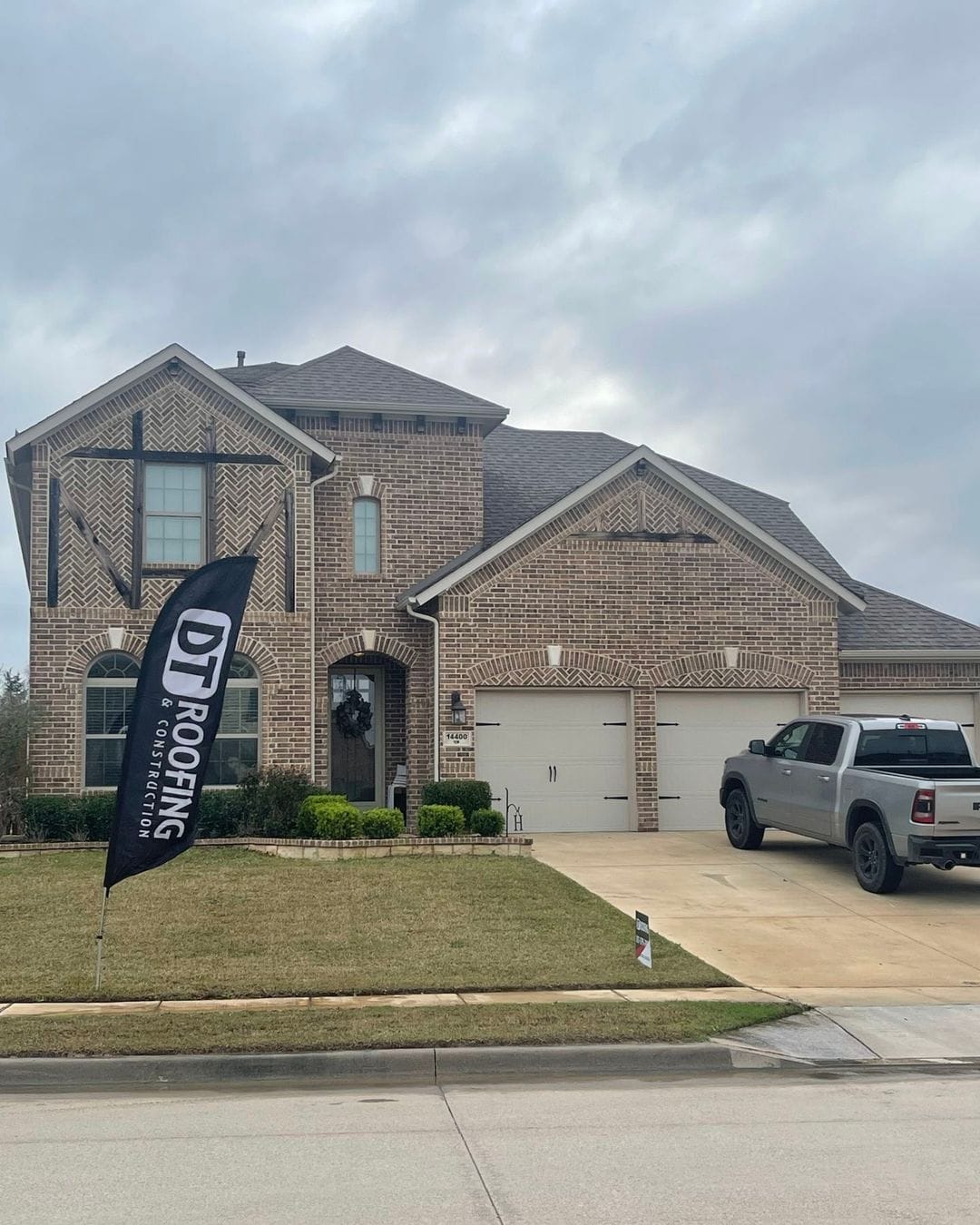

Inside a Roofer’s Toolbox After a Texas Thunderstorm
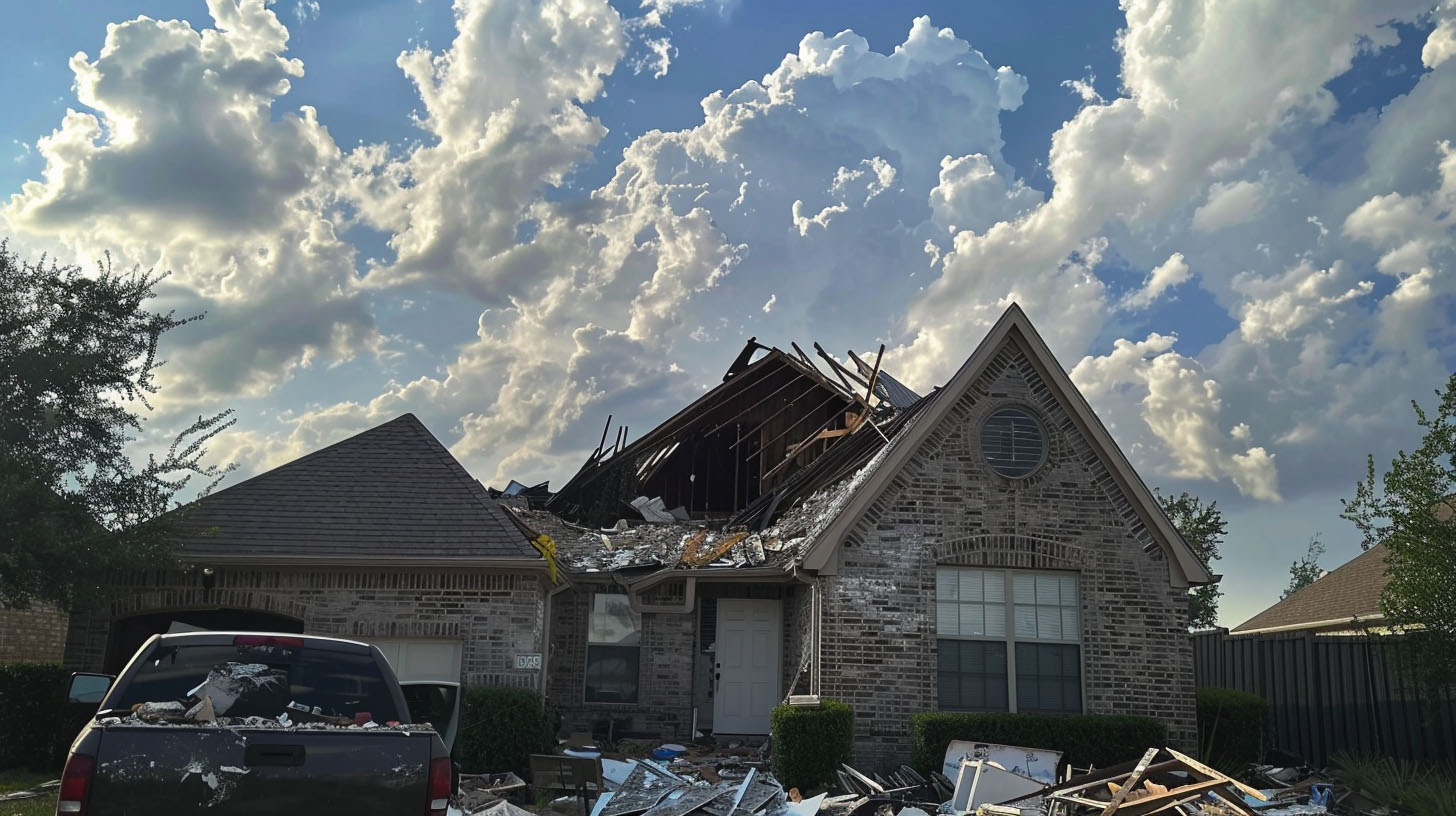
Texas thunderstorms can be very strong. They often cause serious damage to roofs in the area. After the storms pass, roofers have important toolbox talks. These talks help them prepare for inspections and handle risks like damaged power lines and broken shingles.
For DT Roofing, a top company in Weatherford’s roofing industry, this time is a chance for us to provide great service. We use new tools and safety gear. Our work focuses on being careful and professional. We are dedicated to fixing the roofs that keep Texas homes and businesses safe.
Essential Tools for Post-Storm Roof Inspection
After a storm, roof inspections need strong and dependable tools. Roofers have to check moisture, material damage, and how well shingles are working. They use accurate tools like shingle gauges, hatchets, and moisture detectors that are made to last.
In Texas, storms in April can cause a lot of problems, making these inspections very important for finding damage. DT Roofing makes sure every tool they use improves their work, helping them make quick decisions and fix damaged roofs right away.
Moisture Detection Equipment
Critical for assessing roof integrity post-storm, moisture detection equipment comes into play to identify hidden water damage. Employing tools like infrared thermometers and moisture meters allows roofers to pinpoint damp areas that might compromise structural safety. Integrating technology into toolbox talks enhances awareness of potential pitfalls, especially after severe Texas thunderstorms. By effectively measuring moisture levels, professionals can make informed decisions about repairs and ensure the longevity of roofing systems while mitigating risks posed by undetected leaks or infiltration.
Shingle Gauges and Roofing Hatchets
Precision is vital in roofing, particularly after storms. Shingle gauges ensure accurate measurements, helping roofers achieve a uniform shingle layout. This tool contributes to efficient roofing practices, minimizing waste and enhancing durability. Roofing hatchets, on the other hand, serve dual purposes in this toolbox; they facilitate both cutting and nailing shingles, streamlining the repair process. Together, these instruments embody the principles of effective toolbox talks, empowering roofers in Texas to address post-storm challenges confidently and safely.
Safety Gear in a Roofer’s Toolbox
Safety is very important for every roofer working on storm-damaged buildings. The right gear helps protect roofers from slipping, falling, and getting hurt by debris. This includes non-slip boots, harnesses, hard hats, and gloves.
In Texas, where storms can make roofs unsafe, DT Roofing makes sure their teams have top safety tools. This choice helps them work well and stay safe during risky jobs. If they don’t have strong protection, inspections and repairs can cause accidents. DT Roofing’s skilled workers strive hard to keep this from happening.
Non-Slip Boots and Safety Harnesses
Staying safe on slippery surfaces is crucial for roofers, especially after torrential Texas thunderstorms. Non-slip boots equipped with textured soles offer essential traction, minimizing the risk of falls during inspections and repairs. Additionally, safety harnesses provide an extra layer of protection, ensuring workers remain secure while navigating rooftops or near power lines. Investing in high-quality, reliable safety gear during toolbox talks reinforces the commitment to worker safety and compliance with industry standards, ultimately fostering a safer work environment.
Hard Hats and Gloves
Safety begins with proper protective gear, and hard hats play a crucial role in preventing head injuries during roofing inspections and repairs. Given the unpredictable nature of Texas thunderstorms, falling debris is a genuine risk. Coupled with durable gloves, which enhance grip and dexterity, roofers can maneuver safely around power lines and slippery surfaces. This combination ensures that roofers remain compliant with safety standards while performing their job effectively, allowing them to focus on the task at hand without compromising their well-being.
Advanced Technology Used by DT Roofing
DT Roofing uses advanced technology to improve our repairs after storms. We use drones for aerial inspections and thermal imaging cameras to spot temperature changes. This toolbox shows our focus on precision and new ideas. These tools help us analyze storm-damaged roofs in Texas very well. With our knowledge and skills, we make repairs that handle tough weather in the state. This shows our promise to do good work and earn client trust.
Drones for Aerial Roof Inspections
Aerial inspections have transformed how roofing professionals assess damage after severe weather events like Texas thunderstorms. Drones equipped with high-resolution cameras provide an efficient means to evaluate roof integrity, minimizing the need for on-the-ground inspections and reducing safety risks. Their ability to capture detailed images helps identify issues such as displaced shingles or water pooling, enhancing accuracy in the assessment. This innovative technology not only streamlines toolbox talks but also ensures faster response times for necessary repairs and maintenance.
Thermal Imaging Cameras
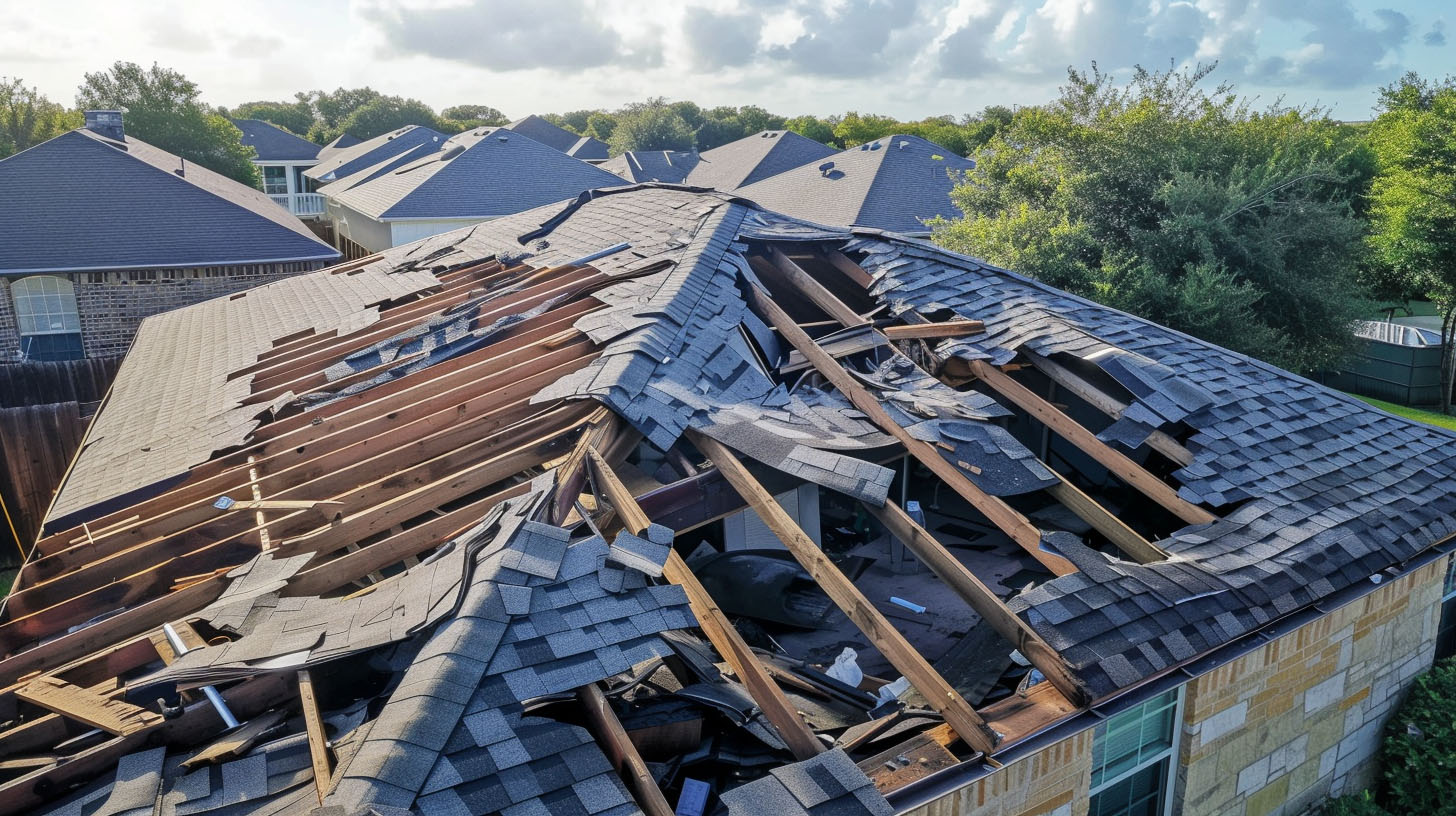
Identifying moisture infiltration often requires advanced technology, especially in the aftermath of a storm. Thermal imaging cameras allow roofers to visualize temperature variations in roofing materials, pinpointing wet areas that may not be immediately visible. Utilizing this non-invasive tool enhances the accuracy of inspections, leading to timely and effective repairs. By integrating thermal imaging into their toolbox talks, roofers ensure that they address potential leaks proactively, safeguarding structures against further weather-related damage. This method exemplifies modern roofing standards in Texas.
Materials for Immediate Repairs
Immediate repairs after Texas thunderstorms need strong and reliable materials. DT Roofing has high-quality sealants, tarps, replacement shingles, and nails in its toolbox. These items help fix roofs fast after bad weather hits.
These important materials help protect rooftops from more harm. DT Roofing works quickly and carefully to restore safety. This way, homes and businesses can handle Texas’s changing weather for a long time.
Sealants and Tarps
In the aftermath of a Texas thunderstorm, sealants and tarps play a crucial role in immediate roofing repairs. High-quality sealants effectively create a waterproof barrier, preventing further moisture entry and protecting the roofing materials. Tarps serve as a temporary shield, crucial during toolbox talks and inspections before permanent repairs can be made. The efficient use of these materials not only ensures the integrity of the roof but also promotes safety for roofing professionals working in potentially hazardous conditions, such as near downed power lines.
Replacement Shingles and Nails
Replacement shingles help fix storm-damaged roofs. Texas winds can easily blow off shingles, making these materials important for quick repairs.
Nails hold damaged roofs together. This helps them stand strong against future storms. DT Roofing uses durable materials to make sure every nail and shingle does its job in Texas’s rough weather.
Using dependable materials shows DT Roofing’s commitment to good workmanship and smart storm recovery services.
How DT Roofing Ensures Quality Post-Storm Repairs
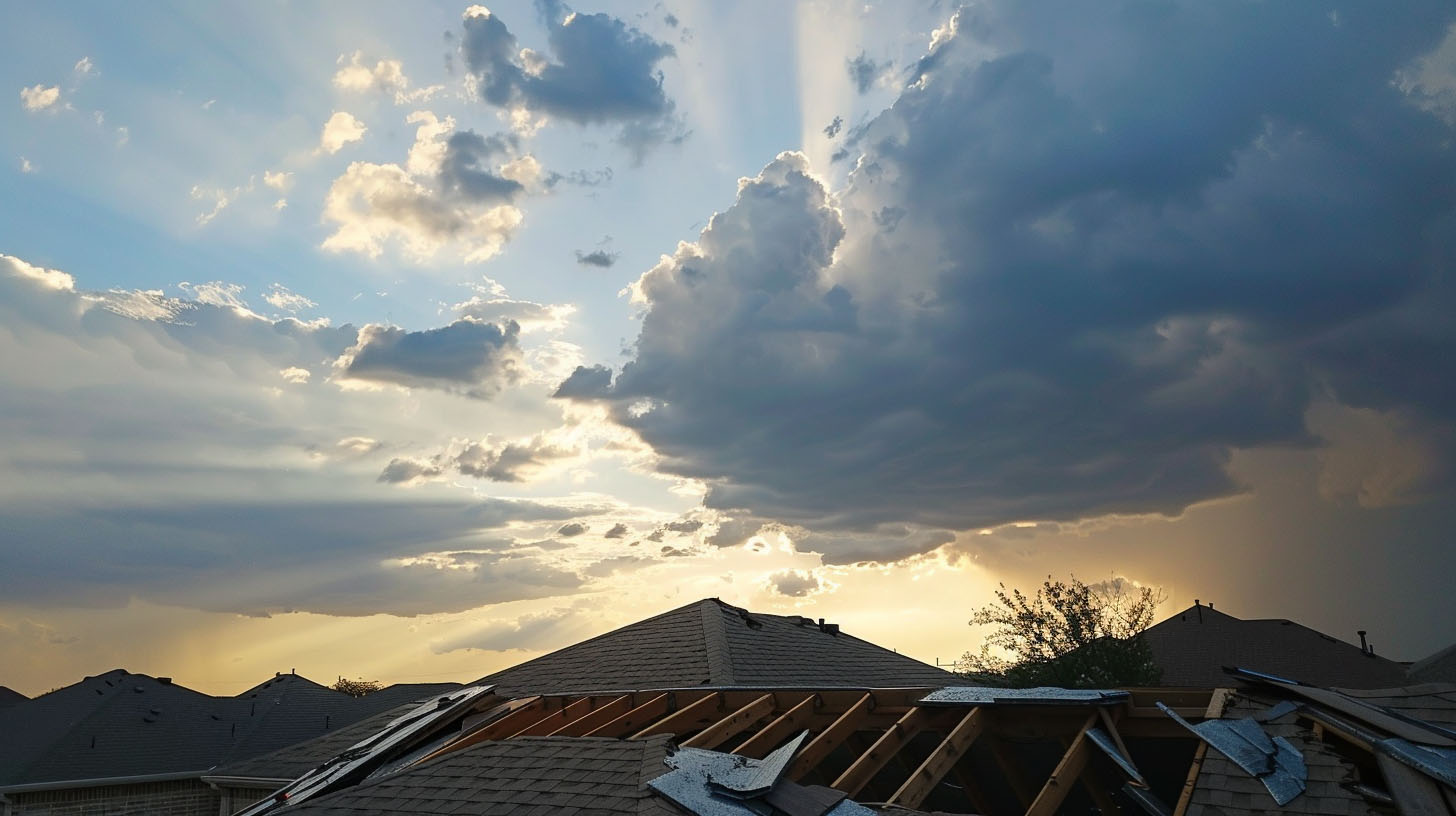
DT Roofing prioritizes top-notch repairs through our meticulous attention to detail and robust quality control processes. By leveraging our strategic partnerships with industry leaders like Owens Corning, TEK and F-Wave, we ensure access to cutting-edge materials and advanced techniques. Regular toolbox talks emphasize safety and compliance, reinforcing our culture of excellence during post-storm assessments. Adherence to high industry standards guarantees that both homeowners and roofing professionals maintain their trust in our reliable, long-lasting repairs that withstand Texas’s unpredictable weather patterns.
Partnership with Owens Corning and TEK
Collaborating with industry leaders like Owens Corning and TEK significantly enhances the quality of storm damage repairs in Texas. This partnership ensures access to top-tier materials and technology, vital for effective restoration. Utilizing advanced training protocols during toolbox talks fosters a culture of safety and efficiency among roofers. Moreover, the integration of cutting-edge techniques allows for comprehensive assessments, guaranteeing that every roofing project adheres to high industry standards. The synergy between these entities truly underpins excellence in post-storm recovery efforts.
Adherence to High Industry Standards
Commitment to high industry standards is paramount in roofing, particularly after a Texas thunderstorm. Adherence ensures that every project aligns with stringent guidelines, promoting safety and durability. Through toolbox talks, roofers continuously educate themselves on best practices and innovation in materials and techniques. Close partnerships with trusted manufacturers enhance this commitment, enabling teams to utilize cutting-edge resources. Such dedication not only safeguards the integrity of roofing systems but also reinforces trust in the quality of post-storm repairs, prioritizing homeowner satisfaction.
Trust the Experts
A thorough understanding of the essential tools and safety gear empowers roofers at DT Roofing to tackle the aftermath of a Texas thunderstorm effectively. From specialized moisture detection equipment to sturdy non-slip boots, every component plays a pivotal role in ensuring safety and quality during repair work. With industry standards upheld, partnering with trusted suppliers like Owens Corning and TEK guarantees that each project at DT Roofing not only meets but exceeds expectations. Ultimately, a well-equipped toolbox translates into reliable roofing solutions and satisfied clients for our company.
Frequently Asked Questions
What immediate steps should be taken after a storm damages my roof?
Check your roof for any visible damage, but be safe while doing it. Reach out to a reliable roofer like DT Roofing to get a professional inspection and repairs. Steer clear of any unstable spots to keep yourself safe. It’s important to deal with the aftermath of the storm quickly. This helps ensure your long-term safety.
Is it safe to be in an excavator during a lightning storm?
Safety during lightning storms is very important. Do not use heavy machinery like excavators when there is lightning. The chance of lightning strikes is high. Storms in Texas, especially in April, require you to be careful to avoid harm to yourself and your equipment.
Read our blog: How to Extend Your Roof’s Life Without Major Repairs (Texas Edition)