Roof Repair Basics: Key Terms Every Homeowner Should Know
When your roof needs attention, understanding the terminology used by contractors can help you make smarter, more informed decisions. Roofing might seem like a technical field, but a basic grasp of key terms can give you more confidence during inspections, quotes, and repair discussions. For homeowners in Stephenville, TX, learning the language of roof repair is an empowering step toward protecting your most important investment. At DT Roofing, we believe informed homeowners make the best choices — and we’re here to support you at every stage.
Below is a breakdown of essential roof repair terms that every homeowner should know.
Understanding the Structure
Decking (Sheathing)
Decking is the wooden base layer of your roof, usually made from plywood or oriented strand board (OSB). It’s attached to the roof trusses and serves as the foundation for all other roofing materials. If water seeps through the shingles, it can rot the decking and lead to expensive structural repairs.
Underlayment
Underlayment is a water-resistant barrier installed between the decking and the shingles. Modern synthetic underlayments are lightweight and highly durable, protecting your roof from leaks in case shingles are damaged or missing.
Roof Slope (Pitch)
Pitch refers to the angle or steepness of your roof. A higher pitch allows better water runoff, while a low-slope roof may need specialized materials. Knowing your roof’s pitch helps determine the best repair solutions and materials.
Key Repair Materials
Shingles
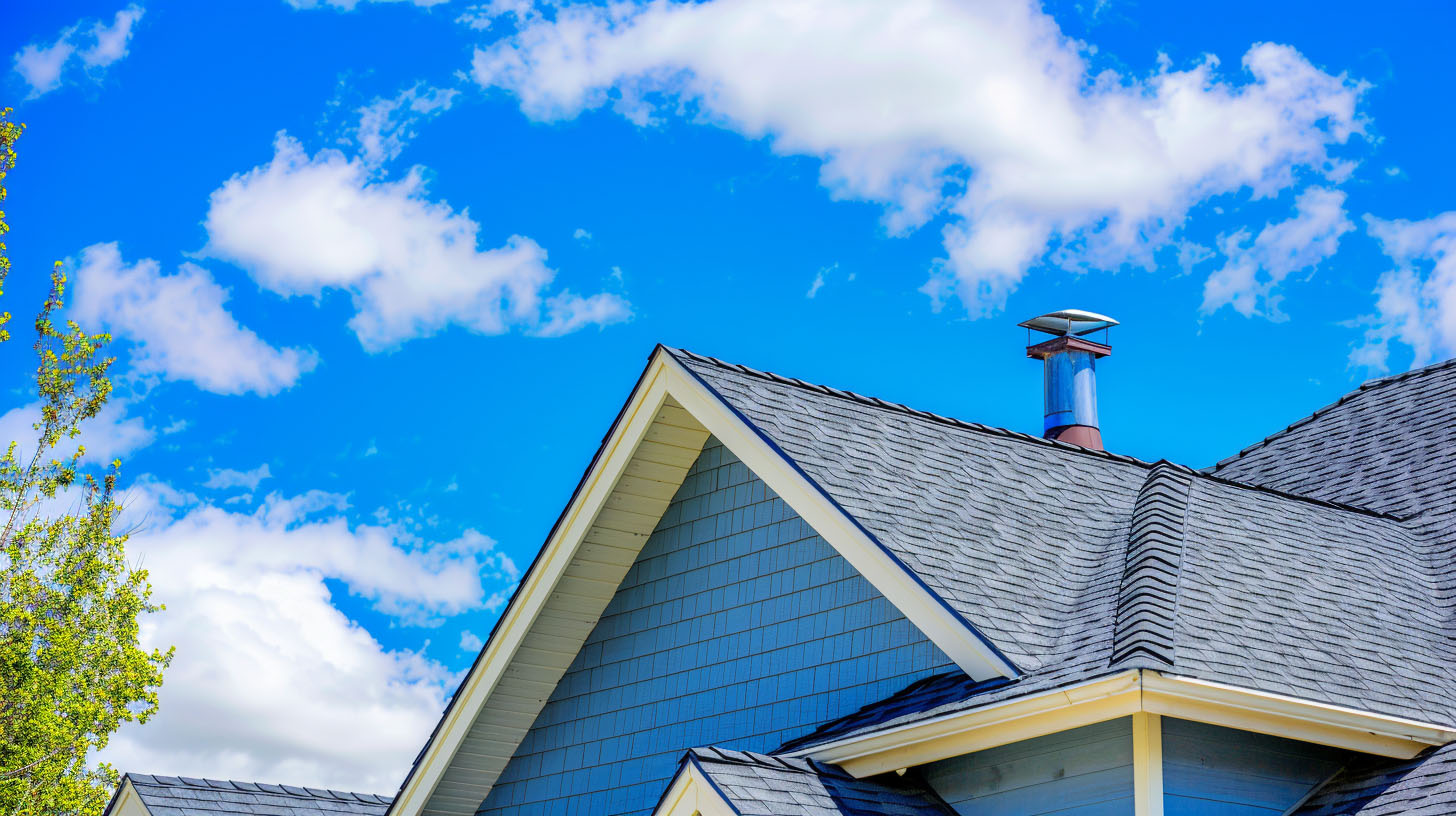
These are the visible, outermost layer of your roof. Asphalt shingles are the most common type used in Texas due to their affordability and weather resistance. High-quality shingles from brands like Owens Corning offer enhanced protection against UV rays, hail, and wind.
Flashing
Flashing is thin metal — often aluminum or galvanized steel — used to seal areas where the roof intersects with chimneys, skylights, valleys, or vertical walls. Damaged or improperly installed flashing is one of the most common sources of roof leaks.
Fascia and Soffit
Fascia is the board running along the roof’s edge, holding the gutter in place. The soffit is the underside of your roof’s overhang and helps with attic ventilation. When water backs up from clogged gutters, both fascia and soffit can rot, leading to structural and ventilation issues.
Types of Repairs
Patching
A patch is a localized repair where damaged shingles or sections are removed and replaced. This is a cost-effective solution for minor issues like a few missing shingles or a small leak.
Resealing
Roof sealants are used to patch small cracks or leaks in flashing, vents, or around nails. Sealants wear down over time due to heat and rain and often need to be reapplied during maintenance visits.
Reflashing
When the original flashing becomes rusted or separates from adjoining surfaces, it must be replaced. Reflashing ensures a watertight seal where different surfaces meet.
Re-roofing
This involves adding a new layer of shingles over the existing layer. It’s a temporary solution that can only be done once and isn’t recommended for major repairs or on roofs that already have two layers.
Common Damage Causes
Hail Damage
Hailstones can bruise or dislodge shingles, exposing the underlayment and accelerating wear. In Stephenville, where hailstorms are common, even small hail can cause significant cumulative damage.
Wind Uplift
High winds can lift shingles from the edges, breaking the seal and leaving your roof vulnerable. This damage may not be obvious from the ground and often requires a close inspection.
Ice Dams
Though less common in Texas, freezing rain can cause ice dams along eaves. These block water drainage and force it under the shingles, leading to leaks and rot.
Roof Inspection Terms
Soft Spots
These are areas on your roof where the decking has weakened, often due to prolonged water intrusion. Walking on these areas may feel spongy and can indicate rot.
Blistering and Cracking
This refers to bubbles or splits in shingles or membranes, usually caused by heat or poor ventilation. It can reduce the effectiveness of your roof system and lead to leaks.
Granule Loss
Asphalt shingles have a rough, sand-like surface made of protective granules. Over time, these can wear away, especially after hail or wind events, reducing UV resistance and leading to faster aging.
When to Call a Professional
Even if you’ve learned the key terms, it’s important to leave the repairs to licensed professionals. At DT Roofing, we offer expert inspections, honest evaluations, and clear explanations of what your roof needs — without pushing unnecessary replacements. Whether it’s flashing replacement, storm damage repair, or leak detection, our experienced team in Stephenville is here to help.
Final Thoughts
Roof repairs don’t need to be overwhelming. Learning the basics of roofing terminology can help you communicate more effectively with your contractor, understand your roof’s condition, and make the best decisions for your home. If you’re experiencing leaks or just want a peace-of-mind inspection, trust DT Roofing to explain your options clearly and deliver reliable, high-quality service.
Read also our blog: How to Prepare Your Roof for Hurricane Season