
The Texas Dust Factor: How Local Conditions Wear Down Your Roof
Roofing materials can be different, but one truth is clear in Texas. Roofs face tough weather, like strong winds, high temperatures, and many storms. These conditions can cause serious damage over time. If you don’t take care of your roof, it could lead to costly repairs and structural issues. The Texas Dust Factor, with its constant dust and extreme heat, makes this even worse. At DT Roofing, we understand these challenges and are dedicated to providing the best roofing solutions for homeowners in Stephenville, TX. That’s why it is important to pick the right materials and have good plans in place. Let’s look at how this environment affects the health of your roof and how DT Roofing can help you protect it.
Understanding the Texas Dust Factor on Roof Lifespan
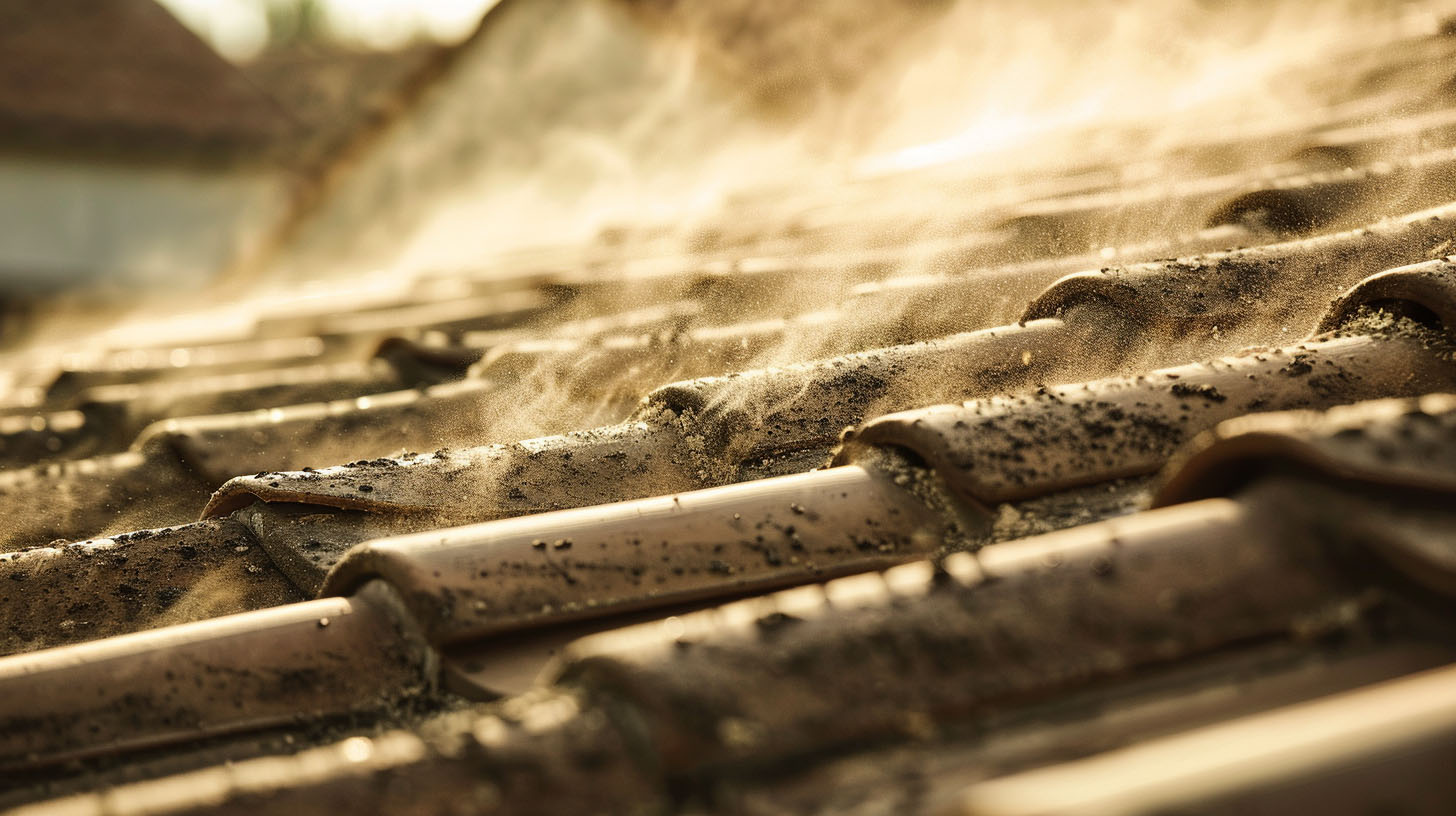
The Texas Dust Factor is a situation where local weather impacts your roof. Dust storms and extreme heat can wear down roof materials faster. Dust particles can damage roofing systems, and UV rays can age them quicker. This makes your roof more likely to get hurt.
In places with high winds and frequent storms, dust can be very harsh on your roof’s protective layers. This can cause cracks or move materials out of place. These conditions show how important it is to have regular inspections, cleanings, and to choose strong materials. This approach can help protect your roof and make it last longer.
Unique Climatic Conditions in Texas
Texas is famous for its wild weather. The high winds can hit roofs hard with sharp dust. This causes damage to roofing materials, especially asphalt shingles and wood shingles. Over time, this weakens their strength.
Extreme heat makes this problem worse. In the summer, the high temperatures make roofing materials expand and shrink. Some shingles can lose their flexibility and crack when they face UV rays for a long time. This speeds up the damage.
The mix of high temperatures and strong winds can increase small damages, which leads to costly repairs. Doing regular maintenance and using heat-resistant roofing systems can help prevent these problems. Because of these extreme weather conditions, it’s important to find ways to make roofs strong to protect your property against Texas’ worst.

Correlation Between Dust and Roof Deterioration
Dust is a rough material that can damage roof materials over time. When high winds mix with dust, it can harm asphalt shingles, wood shingles, and metal surfaces. This happens because dust strips away protective coatings, leaving the materials exposed to more damage.
UV rays make the situation worse. They speed up the aging process of roofing systems. With dust present, the roofing surfaces can easily change color, become fragile, and develop cracks. These issues can harm the structure of the roof.
Dust can also cause problems deeper than just the surface. When dust collects heavily, it can block drainage systems. This leads to water buildup and leaks. Roof owners should frequently check for dust accumulation. They need to clean the affected areas and use UV-resistant coatings to protect their roofing systems.
Impact of Local Dust on Different Roofing Materials
Local weather in Texas impacts different roofing materials in unique ways. Asphalt shingles are popular but don’t handle rough dust well. They wear out faster than metal roofing. Metal roofing is better for high winds and erosion from particles.
Wood shingles can hold moisture due to dust. This can cause decay and other structural issues. Homeowners need to look closely at roofing choices for Texas conditions. They should pick materials that are strong against high heat, UV damage, and dust buildup.
How Owens Corning Products Withstand Dust
Owens Corning products are designed for the tough Texas weather. They provide strong roofing systems that are also good at saving energy. Their products include treatments that resist UV rays. This helps to reduce damage from high temperatures and protects against dust during storms.
Preventive measures, like reflective coatings on Owens Corning shingles, make roofs cooler. This can lower problems caused by expansion, helping roofs last longer in extreme heat.
Owens Corning systems are known for their strength in severe weather events. By using strong materials and new roofing technology, Texas homeowners can protect their roofs. They can guard against dust and UV rays while also keeping energy efficiency throughout the year.
Performance of TEK and F-Wave Roofing in Dusty Conditions
TEK and F-Wave roofing systems exhibit resilience against the harsh and dusty climatic conditions prevalent in Texas. Designed for extreme weather resilience, these materials effectively mitigate dust accumulation, reducing the risk of structural issues associated with prolonged exposure. Their innovative design promotes energy efficiency while minimizing maintenance needs. Unlike traditional materials, TEK and F-Wave roofing can endure high winds and UV damage, ensuring your roof remains in good shape while withstanding the challenges posed by frequent dust storms.

Maintenance Tips to Mitigate Dust Damage
Preventing dust damage requires good maintenance habits suited for Texas. Regular cleaning helps get rid of harmful dust. This allows your roof materials to breathe and stay strong.
Yearly inspections are important, especially for places facing frequent storms and strong winds. Finding small issues early keeps bigger problems from happening. Protecting your roof means being careful and investing in smart choices, like UV-resistant coatings, to keep it lasting longer in tough weather.
Regular Cleaning and Inspections
Regular maintenance is important for dealing with Texas dust. Cleaning stops dust from staying on the roof too long. This helps prevent damage from erosion over time.
Good inspections can help catch small problems early:
- Plan annual inspections for homes and commercial buildings.
- Pay attention to areas with sharp corners or lots of dust.
- Check for UV damage, leaks, or any signs of wear.
Homes in areas with a lot of dust especially need regular inspections. Frequent dust storms can worsen wear and tear, making maintenance even more important.
Protective Coatings and Treatments
Protective coatings are made to last through severe weather events, like Texas dust storms. They create a barrier against harsh particles and UV rays. These rays can make roofing materials wear out faster.
To make them stronger, treatments include solar energy-absorbing features. This helps control temperature changes during extreme heat. It can lower problems caused by expansion.
Regular dust exposure means you need UV-resistant coatings. These coatings also help stop water leaks when humidity is high. They keep your roofing system in good shape and lessen damage from heavy rain or frequent storms.
Contact Us Today
In conclusion, it’s important to understand how local conditions, like the Texas dust factor, affect your roof in Stephenville, TX. The Texas weather can really change how roofing material works and lasts. At DT Roofing, we emphasize the need for regular cleaning, inspecting, and using protective tips to reduce the bad effects of dust build-up. If you are looking at strong options like Owens Corning products or other choices like TEK and F-Wave roofing, make sure to pick materials that can handle tough weather well. For special advice and to find the right roofing solutions for your needs, contact our experts at DT Roofing today for a quote. Your roof needs the best care to keep your home safe for many years.
Frequently Asked Questions
How often should roofs be inspected in dusty areas like Texas?
In areas with a lot of dust, you should check your roofs at least once a year. This is important, especially after severe weather. Regular maintenance helps find small issues early. This can save you from costly repairs later due to frequent storms or structural damage.
What are the best roofing materials for high-dust regions?
Durable materials like metal roofing can really resist dust and tough weather. Energy-efficient choices, such as synthetic shingles, help reduce structural issues. They also use solar power, which helps handle hot climates well.
Can dust damage void my roof’s warranty with DT Roofing?
Dust can cause structural problems, like water damage or making materials weak from the sun, which can cancel warranties if homeowners don’t keep up with maintenance. Keeping roofs clean and fixing small warranty problems quickly helps avoid costly repairs and keeps warranties valid during frequent dust storms.
By using strong materials and taking care of them, homeowners can make sure their roofs stay strong against the tough and dusty conditions in Texas!
Read our blog: What Texas Roofers Think About Solar-Ready Designs