
Why Your Roof May Be Sagging — And What to Do
A sagging roof is one of the most alarming signs a homeowner can face. Unlike a missing shingle or minor leak, sagging often points to deeper structural issues that, if ignored, could lead to catastrophic damage. For homeowners in Weatherford, TX, recognizing the causes and understanding the urgency of repair is essential. It’s not just about curb appeal—it’s about safety.
When you’re dealing with structural concerns, turning to an experienced and reliable contractor like DT Roofing is your best bet for prompt and professional solutions.
What Causes a Roof to Sag?
Water Damage from Leaks
Water is the most common culprit behind sagging roofs. Over time, moisture infiltrates the underlayment, decking, and support beams. This weakens the wood and causes it to warp or rot. In areas like Weatherford, TX, where sudden storms can bring heavy rainfall, unnoticed leaks may gradually compromise the roof’s support system.
Excess Weight from Debris or Snow
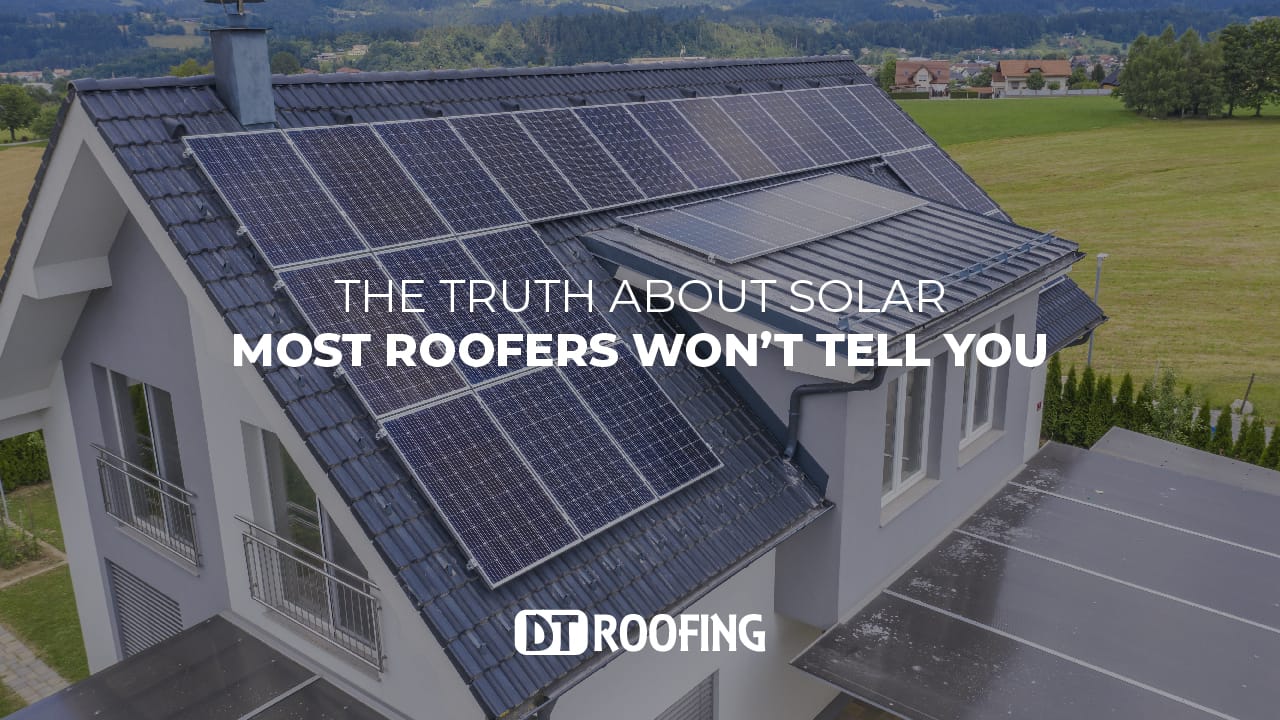
Though snow accumulation isn’t common in Texas, it’s not impossible. But more often, excess weight comes from debris like fallen branches or improperly installed equipment such as HVAC units or solar panels. Roofs have a maximum load-bearing capacity—when exceeded, structural dips or sagging can occur.
Poor Construction or Aging Materials
Homes built with subpar materials or insufficient structural planning are more prone to sagging. Older homes are especially vulnerable if the roof hasn’t been maintained or updated over the decades. Shifting foundations can also contribute to misaligned or bowed rooflines.
Inadequate Ventilation
Proper attic ventilation plays a critical role in maintaining the health of your roofing system. Without it, moisture gets trapped, accelerating wood decay and mold growth. This gradual weakening eventually leads to visible sagging.
Warning Signs You Shouldn’t Ignore
Sagging roofs don’t develop overnight. Early warning signs include:
- A visibly bowed or wavy roofline
- Interior ceiling cracks
- Water stains on walls or ceilings
- Difficulty closing doors or windows (due to structural shift)
If you spot any of these issues, it’s time for a comprehensive inspection.
Risks of Ignoring Roof Sagging
Delaying repairs on a sagging roof can have serious consequences. Not only is your home more susceptible to water damage and mold, but you also risk partial or complete roof collapse. The longer you wait, the more extensive—and expensive—the repairs will become.
Ignoring sagging can also reduce your home’s resale value. Buyers are less likely to invest in a property that comes with clear structural red flags. Insurance claims may also be denied if it’s found that the issue was neglected.
What to Expect from a Roof Repair
When you hire a qualified contractor, the first step is a thorough inspection. This includes:
- Checking for rotting wood, mold, or mildew
- Evaluating the condition of rafters, joists, and decking
- Identifying active leaks or areas of pooling water
- Inspecting the attic space for signs of moisture
Based on the findings, the contractor will propose a repair plan. This may involve replacing compromised framing, installing support braces, or removing and reinstalling roofing materials with better load distribution.
Why Choose a Local Expert
Roofing isn’t one-size-fits-all, and climate plays a big role in performance. That’s why it’s important to choose a contractor familiar with regional weather patterns, local codes, and proper materials for Texas homes. DT Roofing is a trusted name in Weatherford, TX, known for delivering quality repairs backed by certifications from brands like Top 100 Roofers (Roofing Contractor magazine) and Owens Corning.
When you call DT Roofing, you’re not just getting a service—you’re getting peace of mind.
Read also our blog: Common Signs That Your Roof Needs Immediate Repairs