Common Commercial Roofing Issues and How to Prevent Them
Commercial roofing systems are built to endure heavy use and harsh weather—but they’re not immune to problems. From pooling water and membrane punctures to faulty flashing and thermal damage, commercial roofs face a wide range of potential issues that can disrupt operations and cost thousands in repairs. In Granbury, TX, where commercial buildings endure Texas heat, intense rain, and seasonal storms, staying ahead of common roofing problems is critical to protecting your investment.
At DT Roofing, we’ve maintained and repaired hundreds of commercial roofs across industries, and we know that many of the most expensive problems are preventable. With the right knowledge and a proactive maintenance plan, you can dramatically extend the life of your roof and avoid emergency downtime.
1. Ponding Water
Why It Happens
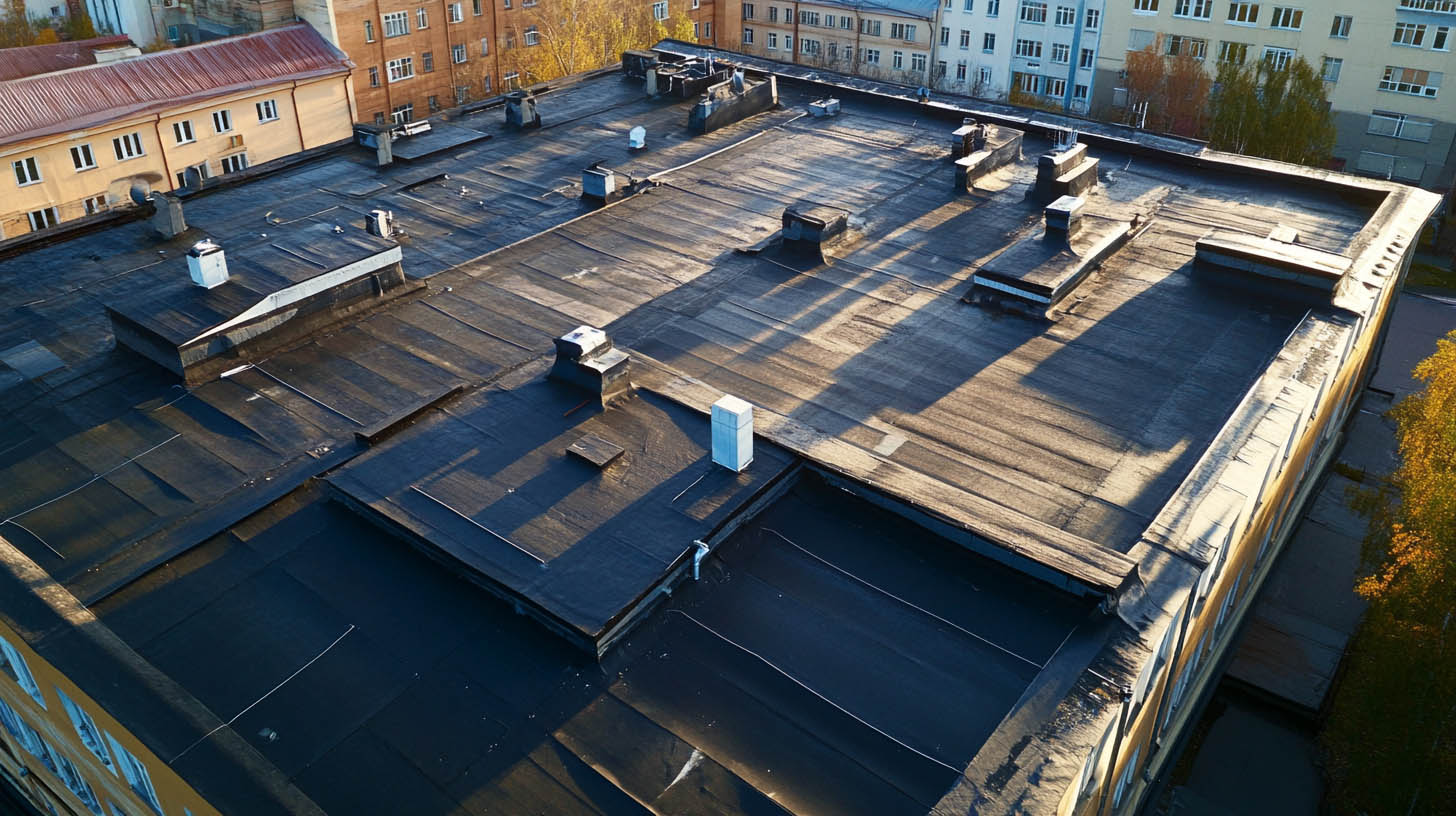
Flat or low-slope commercial roofs are prone to ponding water—standing water that lingers for more than 48 hours after a rainstorm. This usually results from poor drainage, sagging areas in the roof deck, or clogged drains and scuppers.
Risks and Long-Term Damage
- Membrane degradation and blistering
- Leaks and interior water damage
- Mold and algae growth
- Reduced insulation performance due to water intrusion
Prevention
- Schedule regular drainage system inspections
- Install tapered insulation to improve slope
- Keep roof surfaces clean and free of debris
- Act quickly after storms to remove standing water
2. Punctures and Tears in the Membrane
Why It Happens
Commercial roofs often support foot traffic for HVAC maintenance, satellite installations, and inspections. Without proper protection, tools or sharp debris can puncture single-ply membranes like TPO or EPDM.
Risks and Long-Term Damage
- Water penetration and mold growth
- Compromised insulation
- Accelerated aging in surrounding material
Prevention
- Use walkway pads in high-traffic areas
- Limit rooftop access to authorized personnel
- Perform post-service inspections after HVAC or utility work
3. Blistering and Bubbling
Why It Happens
Blisters form when air or moisture becomes trapped between roofing layers, especially in systems like modified bitumen or built-up roofing (BUR). Intense sun and heat then cause the trapped moisture to expand.
Risks and Long-Term Damage
- Membrane weakening and detachment
- Formation of entry points for water
- Reduced material lifespan
Prevention
- Ensure proper installation with minimal moisture entrapment
- Use high-quality ventilation systems to reduce attic humidity
- Schedule professional roof inspections twice a year
4. Damaged or Faulty Flashing
Why It Happens
Flashing protects the seams where the roof meets vertical surfaces like walls, skylights, and HVAC units. Over time, flashing can corrode, crack, or pull away from the structure due to weather movement or poor workmanship.
Risks and Long-Term Damage
- Leaks and interior structural damage
- Rust and staining on metal components
- Ice dam formation in colder months
Prevention
- Check flashing during all routine inspections
- Re-seal or replace damaged flashing immediately
- Use high-quality, weather-resistant flashing materials
5. Shrinkage and Thermal Cracking
Why It Happens
Temperature swings in Granbury can cause roofing materials to expand and contract repeatedly. Over time, this leads to shrinkage in membranes like EPDM and thermal cracking in modified bitumen systems.
Risks and Long-Term Damage
- Split seams and open gaps
- Exposure of underlayment or insulation
- Increased chance of water infiltration
Prevention
- Use flexible roofing materials designed for climate variability
- Reinforce vulnerable areas with additional layers
- Inspect roof edges and seams during seasonal transitions
6. Poor Installation and Workmanship
Why It Happens
No matter how strong the material, poor installation can doom your roof from the beginning. Incorrect fastening, misaligned seams, or inadequate insulation can cause premature failure.
Risks and Long-Term Damage
- Voided warranties
- Early system failure
- Recurring leak issues
Prevention
- Always hire certified, experienced commercial roofing contractors
- Ask for manufacturer certifications and local references
- Verify warranty coverage before work begins
Why Preventive Maintenance Saves Thousands
Waiting for a problem to become visible before taking action can be costly. A preventive maintenance program includes regular inspections, documentation, minor repairs, and cleaning. This allows you to:
- Catch issues before they escalate
- Extend roof lifespan by up to 30%
- Avoid unexpected capital expenditures
- Stay compliant with warranty requirements
At DT Roofing, our commercial maintenance plans are customized to your building’s size, system type, and risk factors. We work closely with facility managers and business owners to ensure roofing issues never interrupt your business operations.
Materials Matter Too
Choosing the right roofing material for your commercial property in Granbury is a key step in minimizing common issues. We work with high-performance systems from Owens Corning, TEK, and other industry-leading brands that offer advanced resistance to UV, hail, and wind—perfect for Texas weather.
Whether you operate a medical center, retail space, or industrial warehouse, the material you choose and how it’s maintained will determine how well your roof protects your operations.
Read also our blog: The Science Behind Roofing Materials Explained