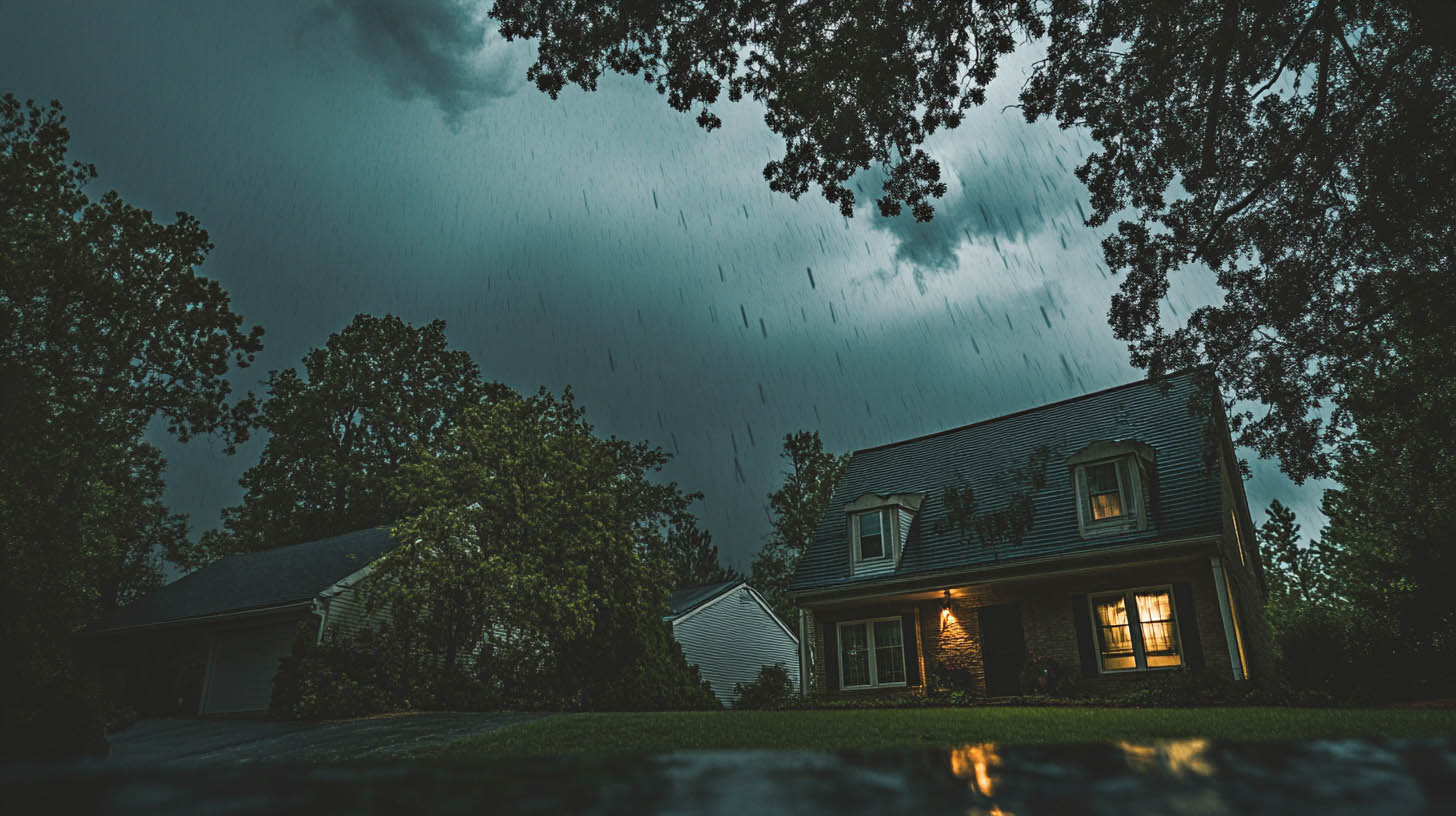
Hail Storm Dos and Don’ts for Homeowners
Living in Stephenville, TX, means being prepared for unpredictable weather, including the sudden appearance of hail storms. While they may only last a few minutes, hail storms can wreak havoc on homes—particularly your roof, siding, gutters, and windows. After the storm clears, knowing the right steps to take can protect your property, avoid unnecessary costs, and help you navigate the insurance and repair process with confidence.
Whether you’re a new homeowner or a seasoned property owner, following the correct hail storm dos and don’ts can make all the difference in how your home recovers from storm-related damage.
Do: Inspect Your Property Safely
Once it’s safe to go outside, perform a visual inspection of your property. Look for obvious signs of damage such as dented gutters, torn window screens, broken siding, or visible roofing issues like missing shingles or granule loss. Check around your property for hailstones to get an idea of their size, which can help gauge the potential for roof damage.
However, avoid climbing on the roof yourself—especially if it’s wet or unstable. Instead, take photos from the ground or use binoculars to safely survey the damage.
Don’t: Delay Taking Action
Time is critical after a hail storm. The longer you wait, the higher the risk of water intrusion or worsening damage. Even small cracks or punctures in shingles can allow moisture to seep into the underlayment, leading to rot, mold, and structural problems.
Prompt action also strengthens your position with your insurance company. Many policies have a time limit for reporting storm damage, so the sooner you act, the better your chances of securing full coverage.
Do: Document All Damage
Take clear, high-resolution photos of any visible damage to your roof, siding, gutters, windows, vehicles, and outdoor structures. Document the date and time of the storm, and save any local news alerts or weather service reports to confirm the hail event.
This documentation will be vital if you need to file an insurance claim. Be thorough and organized—your future self (and insurance adjuster) will thank you.
Don’t: Attempt DIY Repairs
While it may be tempting to patch a damaged shingle or seal a leaky gutter yourself, it’s best to leave roof repairs to the professionals. DIY fixes can void warranties, mask underlying problems, and even cause additional damage. Furthermore, insurance companies may not cover repairs that aren’t completed by licensed contractors.
The safest and most effective approach is to call an experienced local roofer like DT Roofing. They understand hail damage patterns, how to work with insurance adjusters, and how to restore your roof to its pre-storm condition—or better.
Do: Call a Professional Roofing Contractor for an Inspection
Even if your roof looks intact from the ground, hail damage can be subtle and difficult to detect without professional training. A qualified roofing contractor can conduct a full inspection, both on the exterior and in your attic, to check for hidden issues like soft spots, bruised shingles, or water intrusion.
Local, reputable companies such as DT Roofing offer post-storm inspections that are comprehensive, honest, and rooted in years of experience with Stephenville’s unique weather conditions. Their team knows what insurers are looking for and can document damage accurately to support your claim.
Don’t: Hire Storm Chasers
After a major hail storm, it’s common for out-of-town contractors—known as “storm chasers”—to go door to door offering quick repairs, often at low prices. While some may be legitimate, many lack proper licensing, insurance, or ties to the local community. Worse, they may take your deposit and disappear, leaving you with unfinished work and no recourse.
Stick with a trusted local contractor who has an established presence in the area, real customer reviews, and a portfolio of completed projects. DT Roofing, for example, has a long-standing reputation in the region and is committed to quality craftsmanship and lasting service.
Do: Review Your Insurance Policy
Before you file a claim, take time to review your homeowners insurance policy. Understand your deductible, what is covered, and any exclusions related to roof repairs or hail damage. This will prepare you for discussions with your insurance adjuster and help you set realistic expectations.
If you have questions about the policy language or the claims process, a reputable contractor can often offer guidance based on experience working with local insurers.
Don’t: Sign Anything Too Quickly
Some roofing companies may pressure homeowners into signing repair contracts or contingency agreements immediately after a storm. While urgency is important, you should never feel rushed into a binding agreement without reviewing the terms carefully.
Make sure the contract outlines the full scope of work, cost estimates, warranty information, and a projected timeline. If a contractor refuses to provide these details in writing, it’s a red flag.
Do: Consider a Full Roof Replacement if Needed
If your roof has extensive damage, a full replacement may be more cost-effective and beneficial in the long run than repeated repairs. Many insurance companies will cover full replacements if a significant portion of the roof is compromised.
During your inspection, your contractor will help determine whether replacement is necessary and provide an estimate. High-quality roofing systems installed by professionals will better withstand future storms and offer peace of mind.
Final Thoughts
Hail storms are a fact of life in Stephenville, TX, but they don’t have to spell disaster for your home. By acting quickly, documenting damage, and working with trusted professionals like DT Roofing, you can protect your property, maximize your insurance benefits, and ensure your home is ready for whatever weather comes next.
Knowing what to do—and what not to do—after a hail storm can make a world of difference. Use these tips as your guide to stay safe, informed, and proactive when storms strike.
Read also our blog: Tips for Choosing the Right Roofing Contractor