How Roofing Has Evolved Over Time
Roofing is one of the oldest construction practices in human history—and it’s come a long way since thatched huts and clay tiles. In Stephenville, TX, where homes are subjected to everything from blistering heat to high winds and hailstorms, today’s roofing systems are designed for performance, efficiency, and style. At DT Roofing, we’ve seen firsthand how roofing technology and techniques have transformed to meet the needs of modern homeowners.
A Brief History of Roofing Materials
Ancient and Early Roofs
Early roofs were made from materials that were easy to find locally—wood, reeds, stone, and clay. Thatch roofs were common in Europe, while flat clay roofs appeared in ancient Middle Eastern and Mediterranean architecture.
Slate and Wood Shingles
In colonial America, wood shingles and later slate became the standard due to their availability and durability. Slate was particularly valued for its fire resistance and longevity, though it was more expensive and labor-intensive.
Asphalt Shingles (1900s)
The invention of asphalt shingles in the early 20th century revolutionized roofing in the United States. Affordable, easy to install, and effective at protecting homes, asphalt shingles quickly became the dominant residential roofing material.
Modern Roofing Innovations
1. Architectural Asphalt Shingles
Today’s asphalt shingles are more advanced than ever. Laminated, multi-layered shingles offer increased durability, enhanced aesthetics, and better resistance to wind and impact. Brands like Owens Corning provide high-performance options with reflective coatings and lifetime warranties.
2. Metal Roofing
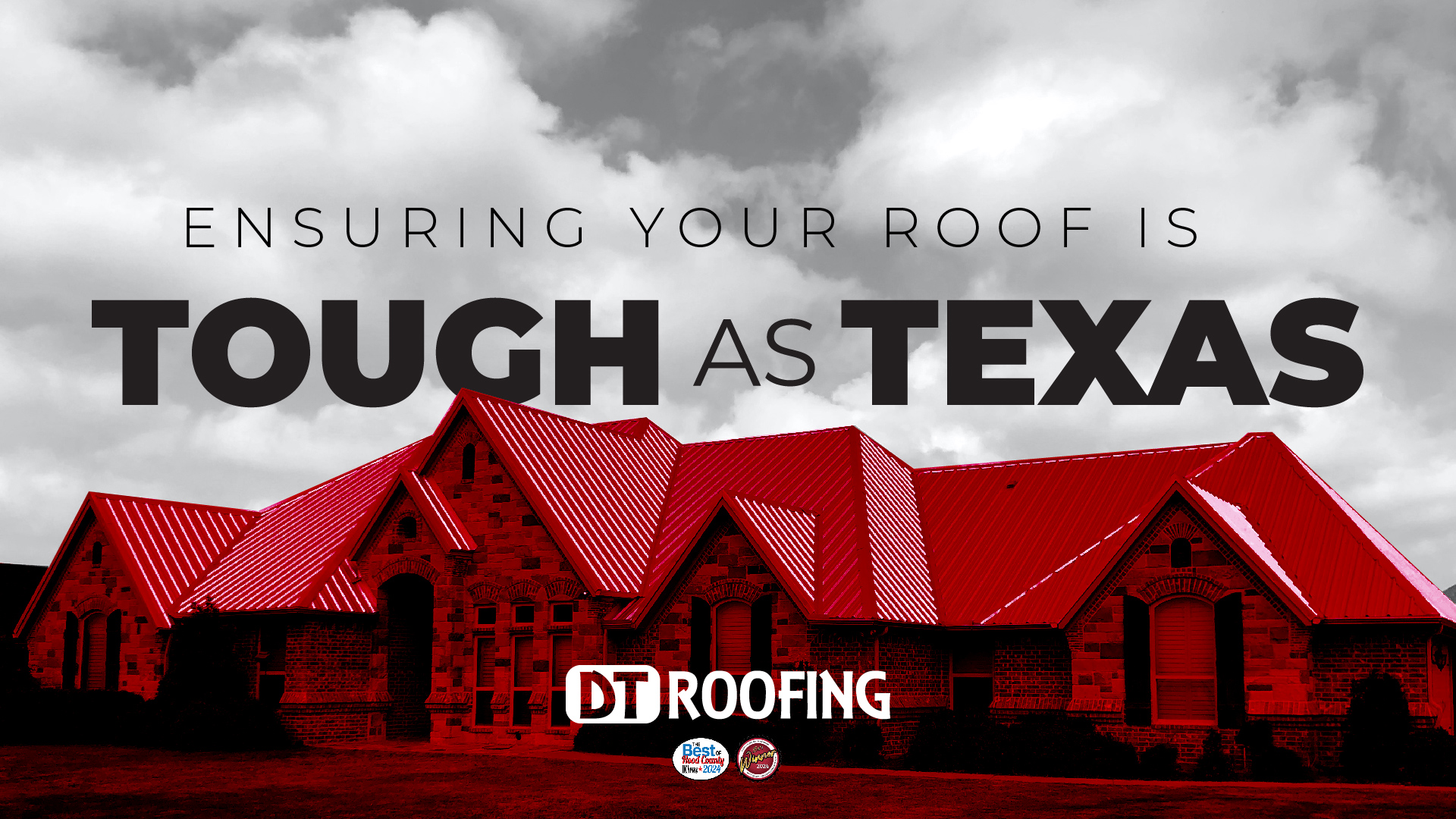
Once used mainly for barns and commercial buildings, metal roofing has gained popularity in residential homes due to its energy efficiency, fire resistance, and long lifespan. It’s particularly well-suited for Texas weather.
3. Synthetic and Composite Materials
New materials like polymer-based shingles and synthetic slate mimic the look of traditional options while offering lighter weight and enhanced durability.
4. Cool Roof Technology
Reflective shingles and coatings now help reduce heat absorption, making homes more energy efficient and reducing cooling costs—especially important in hot climates like Stephenville.
5. Roofing Integration with Solar and Smart Tech
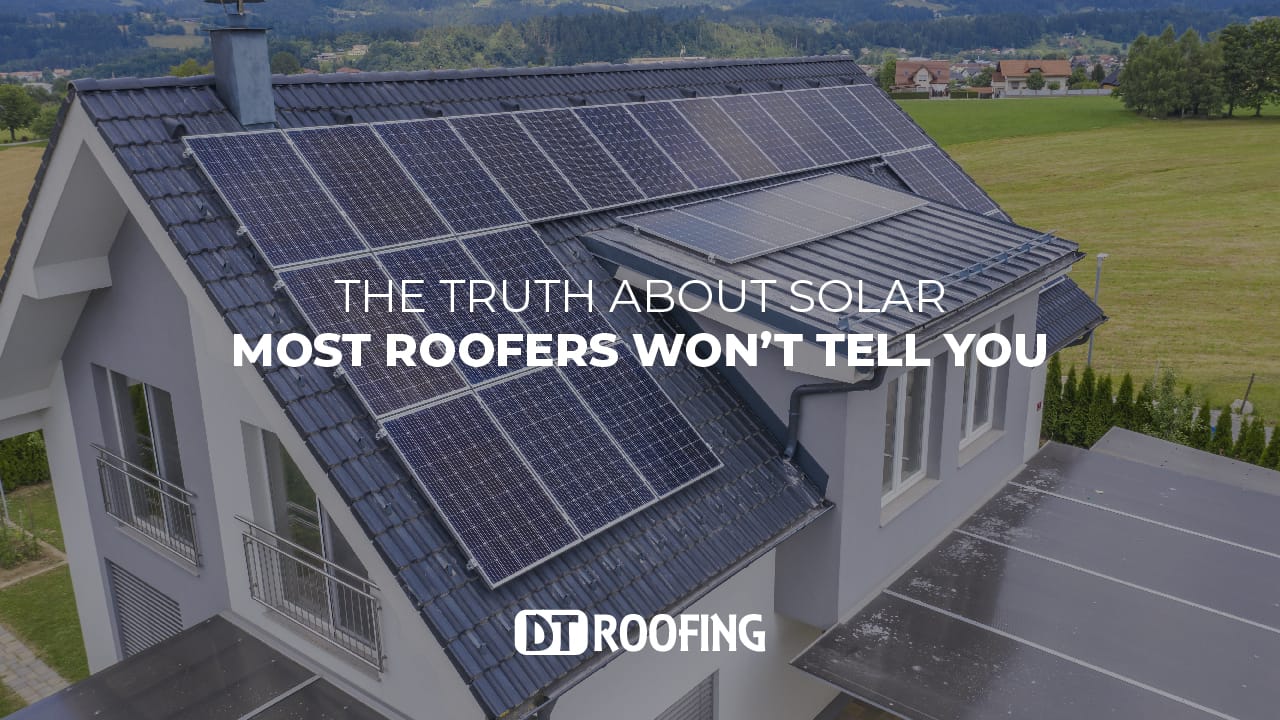
Today’s roofing systems can be designed to support solar panels, battery systems, and smart sensors that monitor moisture, temperature, and potential damage in real time.
Evolving Techniques and Installation Practices
- Better Underlayment and Waterproofing: Modern synthetic underlayments are more durable and water-resistant than traditional felt paper.
- Enhanced Ventilation Systems: Proper attic ventilation helps prevent heat buildup and prolongs the life of the roof.
- Precision Installation Tools: Advancements in tools and training have improved installation accuracy and reduced labor time.
Local Considerations in Stephenville, TX
Roofing in Stephenville requires attention to regional weather patterns:
- Hail and Wind Resistance: Modern shingles and materials are tested for impact and wind uplift ratings.
- Storm Preparation: Roof systems must be designed to withstand the area’s frequent storms.
- UV Resistance: Prolonged sun exposure is managed with advanced coatings and reflective materials.
Final Thoughts
The roofing industry has evolved dramatically—from primitive materials to high-tech systems that enhance efficiency, safety, and curb appeal. At DT Roofing, we stay ahead of the curve to bring Stephenville homeowners the best in modern roofing solutions. Whether you’re repairing, upgrading, or building from scratch, we’re here to help you benefit from roofing’s rich past—and promising future.
Read also our blog: Top Questions to Ask a Roofing Contractor