How Roofing Material Costs Have Changed Over Time
Roofing is one of the most significant investments homeowners make, and the cost of roofing materials has changed drastically over the years. In Weatherford, TX—where high temperatures, hailstorms, and strong winds are common—understanding these cost fluctuations is key to planning a durable, cost-effective roofing project.
The Historical Affordability of Asphalt
Decades ago, asphalt shingles were the most common roofing material due to their low cost and easy installation. Especially during the post-WWII housing boom, asphalt dominated the market. While affordable, early asphalt roofs often lacked longevity, typically lasting only 15 to 20 years and requiring frequent repairs or replacements.
Technology-Driven Price Increases
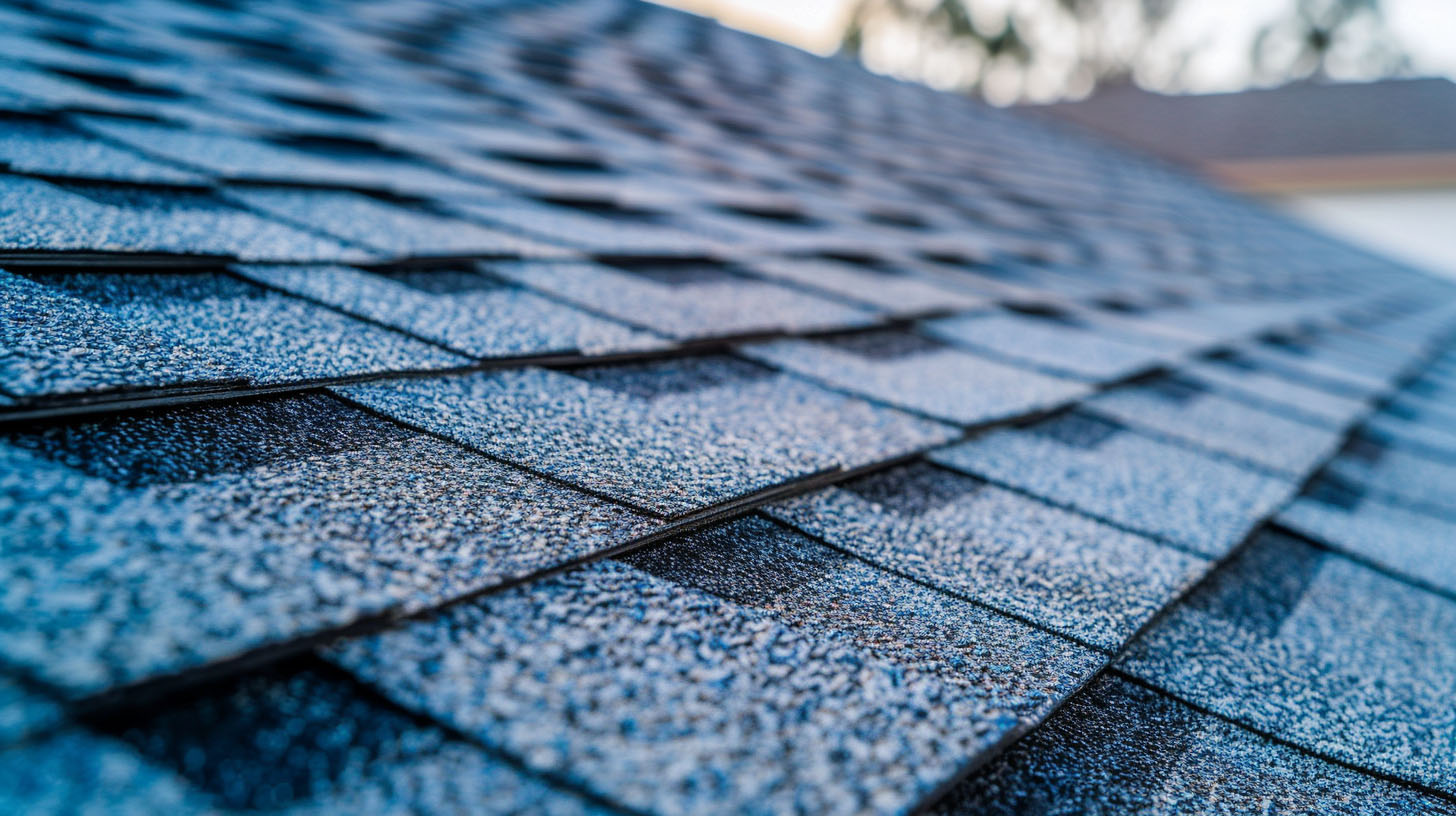
As technology advanced, so did roofing material quality—and cost. Modern asphalt shingles now come with features like Class 4 impact resistance, advanced granule adhesion, and UV-reflective coatings. These innovations extend the lifespan and improve the energy performance of roofs, but they also drive up the price per square foot.
Meanwhile, other materials like metal, clay tile, and synthetic slate entered the residential market, offering long-lasting performance but at a higher upfront cost. Metal roofing in particular has grown in popularity throughout Texas, not just for its durability but also for its ability to reflect heat.
The Supply Chain Effect
Recent global events have further complicated pricing. From the COVID-19 pandemic to geopolitical tensions and raw material shortages, the roofing industry has experienced dramatic supply chain disruptions. Key components like asphalt, aluminum, and steel have seen price hikes. Rising fuel costs have also impacted transportation expenses, contributing to more expensive roofing materials overall.
Labor Costs and Skilled Trades Shortage
Rising labor costs are another factor. Roofing is a specialized trade, and the shortage of experienced workers has led to higher wages and longer project timelines. For homeowners in Weatherford, TX, this means budgeting not only for material costs but also for qualified labor.
Regional Influences and Climate Demands
Texas’ unique climate influences both the choice and cost of materials. In Weatherford, metal roofing is favored for its ability to withstand hail and reflect sunlight, reducing cooling costs. While more expensive initially, it can outlast asphalt shingles by decades and reduce long-term maintenance costs, making it a smarter investment.
Value Over Time
Higher roofing material costs don’t necessarily equate to poor value. In fact, materials like metal or tile may carry higher initial costs but deliver exceptional returns over time. Fewer replacements, lower maintenance, and improved energy efficiency translate to savings that offset the upfront expense.
Local Insight Matters
Navigating the changing landscape of roofing costs can be challenging, which is why working with a trusted local expert is crucial. DT Roofing has helped countless Weatherford homeowners select the best roofing options based on current market conditions, performance needs, and long-term value.
Recognized for Excellence
DT Roofing is an Owens Corning Platinum Preferred Contractor—an elite distinction awarded only to contractors who meet the highest standards of professionalism, reliability, and craftsmanship. This means you get access to premium roofing products backed by some of the best warranties in the business.
Make a Strategic Roofing Investment
While the cost of roofing materials continues to evolve, being informed helps you make the smartest investment for your home. Work with professionals who understand the trends and can guide you toward durable, efficient roofing systems that offer long-term protection and value.
Read also our blog: Top Benefits of Residential Metal Roofing