Key Parts of a Mechanically Attached TPO Roof System
Thermoplastic Polyolefin (TPO) roofing systems have quickly become a top choice for commercial buildings, thanks to their cost-effectiveness, durability, and energy efficiency. Among the different installation methods, the mechanically attached TPO roof system stands out for its balance of strength and flexibility. If you own or manage commercial property in Granbury, TX, understanding the essential components of this system can help you make smarter decisions about roof installation, maintenance, and long-term performance.
What Is a Mechanically Attached TPO Roofing System?
A mechanically attached TPO system uses screws and plates to fasten the membrane to the structural deck of the roof. This method contrasts with fully adhered systems, where the membrane is glued down, and ballasted systems, which rely on weight to keep the membrane in place. Mechanical attachment is especially suitable for buildings in regions with moderate to high wind exposure, providing a secure hold without the added cost of adhesive or ballast.
Core Components of the System
1. Roof Deck
The first essential component is the roof deck, which acts as the foundation of the roofing system. It can be constructed from various materials, including steel, wood, or concrete. A strong, stable deck is necessary for the proper performance of a mechanically attached TPO roof, as it supports the fasteners and insulation layers.
2. Insulation Layer
Insulation is critical for improving energy efficiency and ensuring proper thermal performance. Polyisocyanurate (ISO) insulation is commonly used due to its high R-value, but expanded polystyrene (EPS) and extruded polystyrene (XPS) are also options. The insulation is installed directly over the deck and mechanically fastened in place before the TPO membrane is rolled out.
3. Fasteners and Plates
The heart of a mechanically attached system lies in its fastening method. Specialized screws and plates are strategically placed along the seams of the TPO membrane to hold it securely. These fasteners penetrate through the membrane and insulation, anchoring into the deck. Their placement is critical—too few and the membrane may flutter or fail under wind uplift; too many and costs rise unnecessarily.
4. TPO Membrane
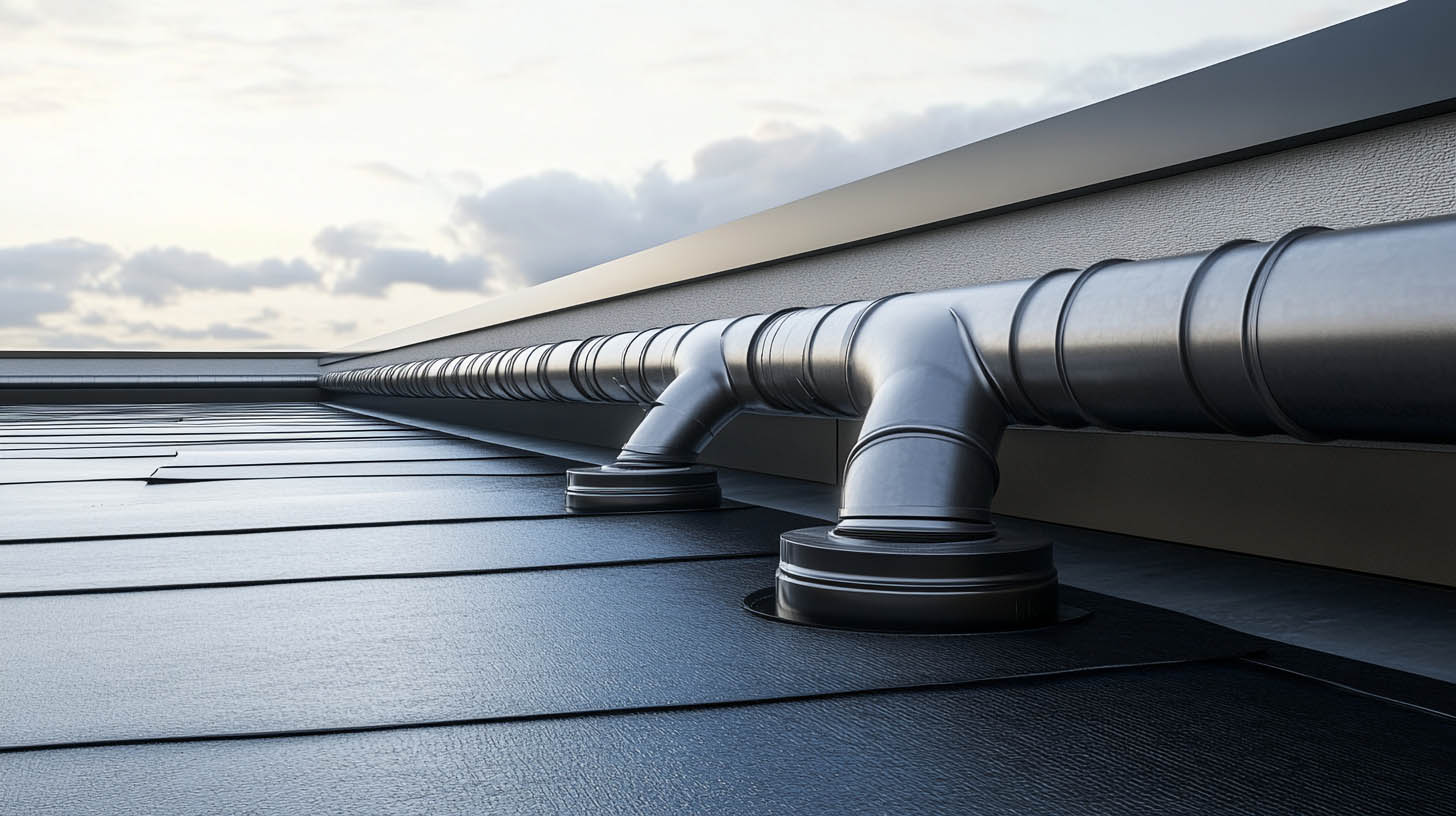
The TPO membrane is the visible surface and weatherproof barrier of the roof. Known for its white reflective surface, it reduces heat absorption and lowers cooling costs, making it especially effective in Texas climates. Available in thicknesses typically ranging from 45 to 80 mils, thicker membranes offer increased durability and resistance to punctures.
5. Heat-Welded Seams
Instead of using adhesives or tapes, TPO systems rely on heat-welded seams for watertight protection. Roofing contractors use hot-air welders to fuse the seams together, creating a monolithic layer that’s more durable and resistant to leaks than adhesive-based systems. These seams are often stronger than the membrane itself when properly installed.
Why Choose Mechanically Attached TPO?
There are several compelling reasons to select a mechanically attached TPO system for your commercial roof. First, the installation process is generally faster and more cost-effective than fully adhered systems, especially for large flat roofs. It also performs well in high-wind areas when installed correctly, providing peace of mind during storm season.
Moreover, this system offers easy access for future inspections or repairs, since the membrane is not glued down. Contractors can remove sections if needed without damaging the surrounding material. That flexibility can translate to lower maintenance costs over time.
Common Installation Challenges
While mechanically attached TPO roofing is a reliable system, it does require skill and precision during installation. Improper fastener spacing, poor seam welding, or using incompatible insulation materials can all compromise the integrity of the system. That’s why it’s crucial to hire experienced contractors like DT Roofing, who understand local weather patterns, building codes, and manufacturer specifications for TPO systems.
Durability and Long-Term Performance
With proper installation and regular maintenance, a mechanically attached TPO roof can last 20 to 30 years. Its UV resistance and flexibility make it suitable for a wide range of commercial applications, from warehouses to retail centers. The white membrane reflects sunlight, helping to reduce the urban heat island effect and earn energy efficiency credits under LEED and Energy Star programs.
Regular maintenance, including inspections after major storms, clearing debris, and checking for seam integrity, can extend the system’s life and maintain warranty coverage.
When to Consider a Mechanically Attached TPO System
If your commercial property has a low-slope or flat roof, and you’re looking for an economical yet durable solution, mechanically attached TPO could be the ideal fit. It’s also a great option when reroofing over an existing deck, provided the structure is in sound condition. The minimal use of adhesives also makes it suitable for environmentally sensitive buildings where fumes and odors must be kept to a minimum.
Final Thoughts
Mechanically attached TPO roofing systems are a smart, strategic choice for commercial buildings that need reliable, energy-efficient protection at a reasonable cost. By understanding the key parts of the system and working with a qualified contractor, you ensure that your roof performs at its best year after year. Whether you’re installing a new roof or upgrading an older system, TPO offers a modern solution for today’s commercial roofing needs.
Read also our blog: Is It Time to Upgrade Your Commercial Roofing System?