Roof Blisters: How They Form and What to Do About Them
When it comes to roof damage in Weatherford, TX, one issue that often goes unnoticed until it becomes a major problem is roof blistering. Unlike visible signs like missing shingles or leaks, blisters can quietly form beneath the surface, weakening your roofing system over time. For homeowners and property managers alike, understanding what roof blisters are, how they form, and the steps you can take to prevent and address them is key to long-term roof health.
At DT Roofing, we’ve helped countless clients in Parker County identify and treat blistering before it turns into widespread damage. Our experience shows that early detection and proper maintenance are essential for avoiding costly repairs down the line.
What Are Roof Blisters?
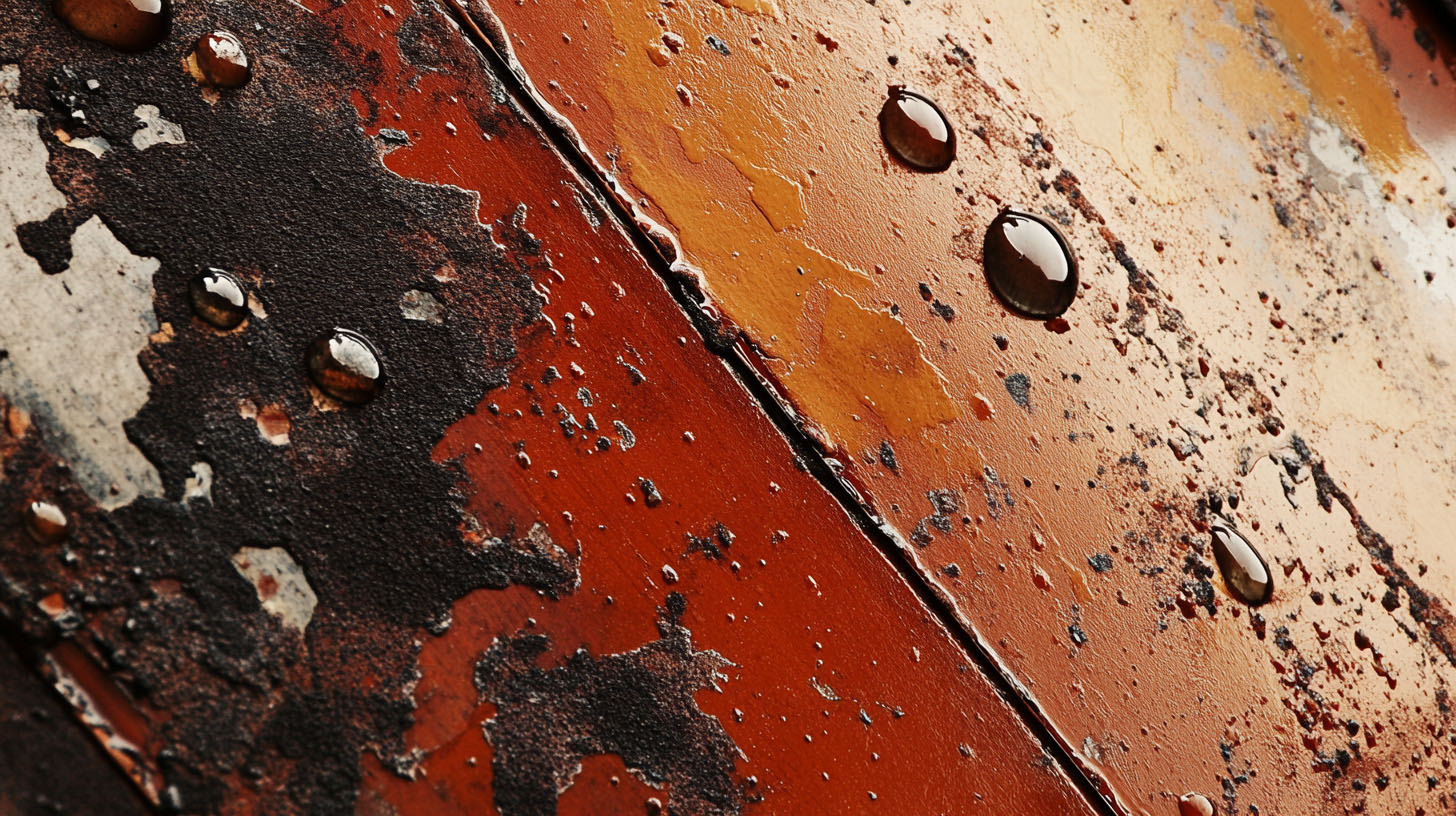
Roof blisters are small, raised areas or bubbles that form on the surface of a roofing material—typically on asphalt shingles or built-up roofing (BUR) systems. These bubbles can vary in size and are usually filled with air or moisture. Over time, blisters can rupture, exposing the underlying layers of the roof and increasing the risk of water infiltration.
Unlike hail or storm damage that occurs suddenly, blisters develop gradually. They’re a clear sign that something is amiss with the roof’s composition, ventilation, or installation quality.
Common Causes of Roof Blisters
Blisters are most often caused by the combination of trapped moisture and heat. Here are some of the most common culprits:
1. Trapped Moisture
During the manufacturing or installation process, moisture can get trapped under roofing materials. When the sun heats the roof, the moisture expands and forms bubbles. If the material isn’t breathable or installed properly, the moisture has no escape path, leading to blisters.
2. Poor Ventilation
Inadequate attic ventilation contributes to blistering by increasing the roof’s surface temperature. Heat build-up under the roof accelerates the expansion of any trapped air or moisture, increasing the likelihood of blister formation.
3. Substandard Installation
Improperly adhered shingles or roofing membranes can lead to air pockets. If a contractor cuts corners on adhesive application or installs shingles in unsuitable weather conditions, blistering can begin prematurely.
4. Low-Quality Roofing Materials
Not all shingles are created equal. Using inferior materials can result in a roof that’s more vulnerable to heat damage, premature aging, and of course—blistering.
Are Blisters Really That Bad?
While a single blister might not seem like a major concern, multiple or ruptured blisters can cause serious issues. When a blister pops, it removes the protective granule layer from the shingle, exposing the asphalt beneath to UV rays. This weakens the material and makes it more susceptible to cracking, aging, and eventual leaks.
Even if the blisters don’t rupture, their presence indicates deeper issues with installation or ventilation, both of which need to be addressed to preserve your roof’s lifespan.
How to Prevent Roof Blisters
Fortunately, many blistering problems are preventable with proactive planning and routine care.
Choose High-Quality Materials
Brands like Owens Corning offer superior asphalt shingles designed to withstand heat and moisture changes, reducing the risk of blistering. Investing in proven materials can significantly increase the durability of your roofing system.
Ensure Proper Installation
Work only with experienced and certified contractors. As an Owens Corning Platinum Preferred Contractor, DT Roofing follows best practices and manufacturer guidelines to ensure every roof is installed to last—even in the heat and storms of Weatherford, TX.
Improve Attic Ventilation
Proper airflow in your attic helps regulate roof temperatures and reduce moisture buildup. Installing ridge vents, soffit vents, or powered fans can dramatically reduce your risk of blistering and other heat-related roof issues.
Schedule Regular Roof Inspections
A professional inspection can help detect early blistering before it escalates into major damage. It’s especially important to have your roof inspected after seasonal extremes or storms.
What to Do If You Find Roof Blisters
If you suspect your roof has blisters, don’t ignore it. Contact a qualified roofer for an inspection. Depending on the extent of the blistering, you may only need to replace a few shingles—or in more serious cases, consider partial roof repair.
Avoid walking on the roof or trying to pop the blisters yourself. This can cause further damage and void your warranty. Let professionals like DT Roofing determine the right solution.
Why Early Detection Matters
The longer roof blisters go unchecked, the more they threaten your home’s structural integrity. Moisture intrusion from popped blisters can lead to rot, mold, and even interior damage to ceilings and walls. Early detection not only saves money—it protects your entire home.
Read also our blog: What Size Hail Will Damage Your Roof?