Why Your Roof Makes Creaking Noises
It’s late at night, and suddenly you hear a mysterious creaking sound from above. Don’t worry—you’re not alone. Many homeowners experience odd roof noises and wonder what’s causing them. At DT Roofing, we often get questions about roof creaks, especially from residents in Granbury, TX where shifts in weather and home age play a role. While these sounds can be unsettling, they’re usually signs of natural structural movement. Understanding the causes behind roof creaks can help you determine whether it’s a harmless quirk or a red flag for repairs.
What Causes Roof Creaking?
Creaking sounds are often the result of expansion and contraction within your home’s structure. When temperature or humidity levels change, building materials like wood and metal respond by shifting slightly. This movement can produce creaks or popping noises, particularly in older homes or those with attic spaces.
Temperature Fluctuations
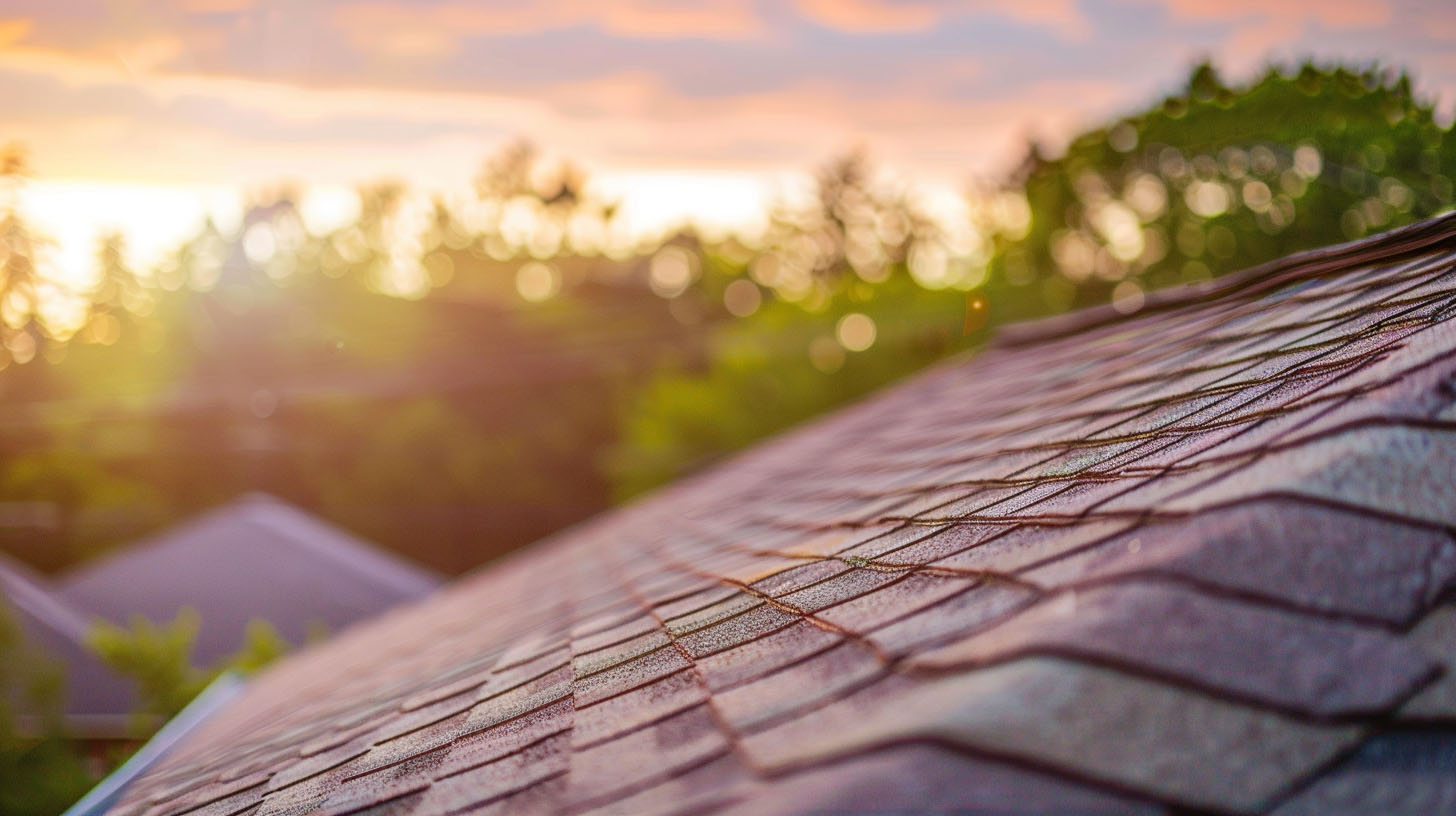
During the day, your roof heats up under the sun, causing the materials to expand. At night, temperatures drop, and those materials contract. This cycle of thermal expansion and contraction puts stress on the fasteners, trusses, and decking—leading to noise.
Moisture and Humidity
Granbury’s humid summers and periodic storms can cause wooden components in your attic or roof structure to absorb moisture and swell. When the wood dries out, it contracts again. These shifts often create creaking or groaning sounds.
Structural Load Changes
If heavy winds or rain have recently added extra weight to your roof, the supporting structure may adjust slightly to accommodate the load. This shift in load-bearing areas can cause joints to realign, producing audible creaks.
Improper Installation or Aging Materials
Sometimes, roof creaks indicate underlying problems, such as poorly installed trusses or aging materials losing their flexibility. Over time, nails may loosen, wood may dry out, and connections between structural elements may weaken—each of which can generate noise when the roof moves.
When Are Roof Noises a Sign of Trouble?
While occasional creaks are normal, certain patterns may signal issues that require professional attention:
- Persistent or loud noises that don’t go away
- Creaks followed by visible leaks or ceiling stains
- Cracking sounds after recent storms or roof work
In these cases, a roof inspection by trained professionals from DT Roofing can help determine if the structure is sound or if repairs are needed to prevent further damage.
What Can You Do About It?
You don’t have to live with roof creaks forever. Several solutions can help reduce or eliminate these noises:
- Improving attic ventilation to stabilize temperature and humidity levels
- Adding or replacing insulation to buffer the expansion/contraction of materials
- Checking and tightening fasteners that may have loosened over time
- Upgrading materials during your next roof repair or replacement
These steps, while simple, can drastically reduce noise and increase overall roof performance.
Preventive Maintenance Is Key
Routine roof maintenance isn’t just for leaks—it’s also the best way to keep your entire structure in check. Scheduling seasonal inspections with a trusted roofing contractor helps detect early warning signs of both functional and acoustic issues. In some cases, what starts as a minor creak can develop into a major problem without intervention.
Brands That Matter
When choosing materials and upgrades, working with trusted manufacturers like Owens Corning Platinum Preferred Contractor makes a difference. Their products are tested for longevity and reliability, giving homeowners peace of mind. Whether you’re investing in a full replacement or a targeted repair, quality materials help reduce the potential for structural instability and roof noise.
Final Thoughts
Roof creaking is usually nothing to panic about—but it shouldn’t be ignored either. If you notice consistent or worsening noises, a professional evaluation will help you get ahead of any issues. In Granbury, TX, the weather, building age, and construction style all contribute to these sounds. With proper maintenance and expert help, you can ensure your roof is both quiet and secure.
Read also our blog: Protecting Your Home with Smart Roof Maintenance