Winter-Proofing Tips for Your Commercial Roof
Winter may not be as harsh in Texas as in northern states, but Granbury, TX still experiences cold snaps, freezing rain, and unpredictable winter weather that can put commercial roofs under considerable stress. Ignoring the seasonal changes can lead to long-term roof damage, expensive repairs, and even safety hazards. For business owners, facility managers, and property investors, preparing your commercial roof for winter is an investment in protection, performance, and peace of mind.
At DT Roofing, we specialize in commercial roofing systems designed for all seasons. With decades of experience, we know exactly how to help businesses winter-proof their roofs for maximum durability and efficiency, minimizing the risks brought on by colder temperatures and moisture buildup.
Why Winter Preparation Matters for Commercial Roofs
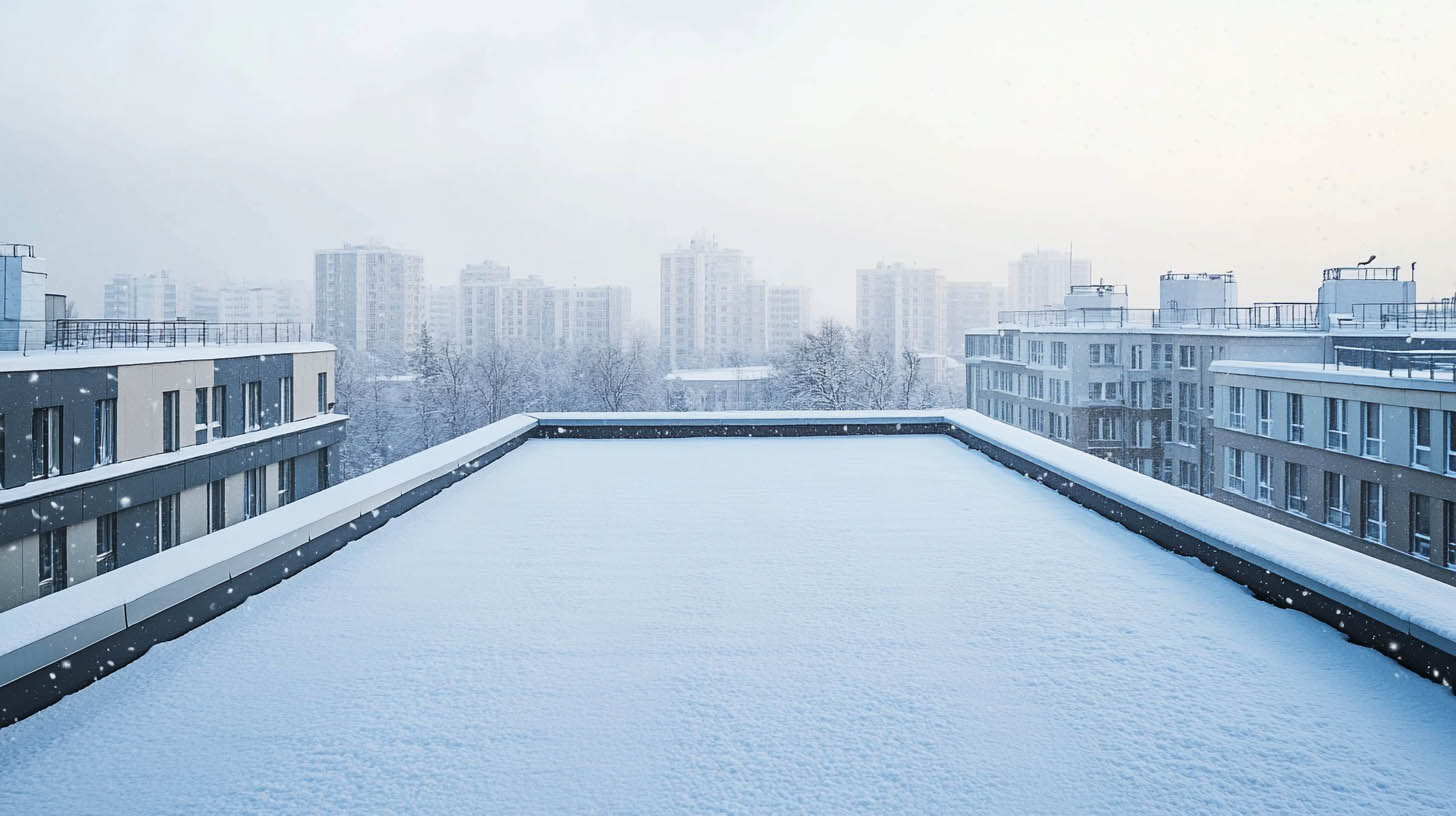
Commercial roofs—especially flat and low-slope systems—are more susceptible to water pooling, drainage issues, and membrane cracking in colder months. Snow and ice might not pile up like in northern states, but even a single freeze-thaw cycle can weaken seams, damage flashing, and cause leaks that impact the interior of your building.
Proper winter maintenance not only helps your roof survive the season—it can also extend its overall lifespan, prevent interior damage, and keep your heating bills under control by maintaining energy efficiency.
Inspect and Repair Before Winter Hits
1. Schedule a Professional Inspection
Before the first cold front arrives, have a licensed roofing professional assess the entire roofing system. An inspection should cover:
- Seams and membrane integrity
- Flashing around vents, HVAC systems, and parapet walls
- Drainage systems and scuppers
- Signs of ponding water or blistering
Identifying small issues now—such as minor tears or unsealed joints—can prevent them from becoming major problems when cold temperatures exacerbate vulnerabilities.
2. Clear Debris from the Roof and Gutters
Leaves, sticks, and debris accumulate in the fall and often go unnoticed. When left on the roof or in gutters, they can clog drainage paths and trap water. In freezing temperatures, this water becomes ice, expanding and damaging roofing materials.
Clean all roof surfaces, especially around drains and low-lying areas, to allow proper water flow. Keep gutters and downspouts free from blockages to prevent ice dams and overflows.
3. Address Drainage Issues
Flat commercial roofs depend on functioning drainage systems. Standing water is a top cause of membrane breakdown and leaks. Check for low spots or sagging sections that allow water to accumulate, and ensure all drains are fully operational.
Insulate and Seal for Energy Efficiency
1. Check Roof Insulation
Inadequate insulation allows heat to escape, which not only increases your energy bills but also promotes uneven roof temperatures that lead to condensation and ice formation. Make sure your roof’s insulation is up to code and evenly distributed.
2. Seal Penetrations and Edges
Cold air and moisture can infiltrate through unsealed penetrations around pipes, vents, and HVAC systems. Use commercial-grade sealants to reinforce these areas. Ensure all flashing is secure and watertight, especially around roof edges and joints.
Consider a Roof Coating System
A professionally applied roof coating can add a seamless, waterproof barrier over your existing roofing material. This extra layer enhances weather resistance, reflects UV rays, and protects against temperature swings. For businesses that want a cost-effective upgrade before winter, a reflective elastomeric coating may be a smart choice.
Don’t Forget Rooftop Equipment
In many commercial buildings, HVAC units, exhaust fans, and solar equipment are located on the roof. Winterize these systems by securing them properly, checking for leaks or rust, and ensuring they are insulated against the cold. Any failure in this equipment could lead to not just energy loss but also water infiltration.
Emergency Plan for Winter Storms
Texas may not get snowstorms often, but freezing rain and ice can still cause roof emergencies. Every commercial property should have a winter emergency response plan that includes:
- A list of trusted roofing contacts for 24/7 repairs
- A building map noting drainage points and access hatches
- A routine for removing standing water or debris after storms
DT Roofing offers emergency roof repair services and maintenance contracts so commercial property owners can feel confident that their buildings are protected, no matter what winter brings.
As an Owens Corning Platinum Preferred Contractor, we work with top commercial-grade materials that perform year-round. Whether you manage an office, warehouse, or retail center, our roofing systems are built to handle the weather—and we’re here to help you winter-proof every step of the way.
Read also our blog: Complete Guide to Protecting Your Roof from Wind Damage